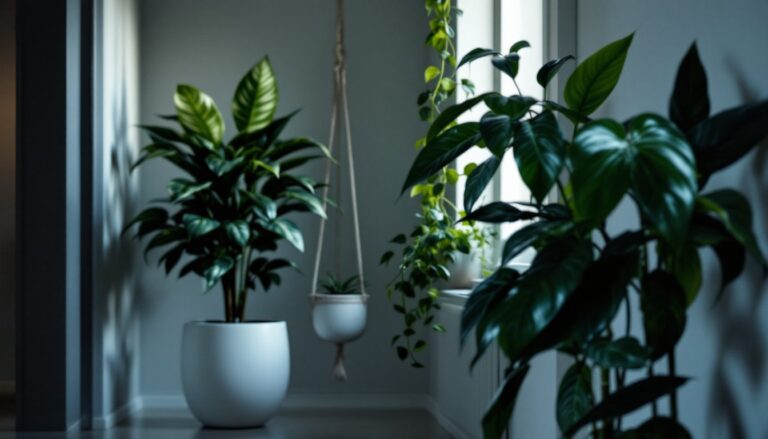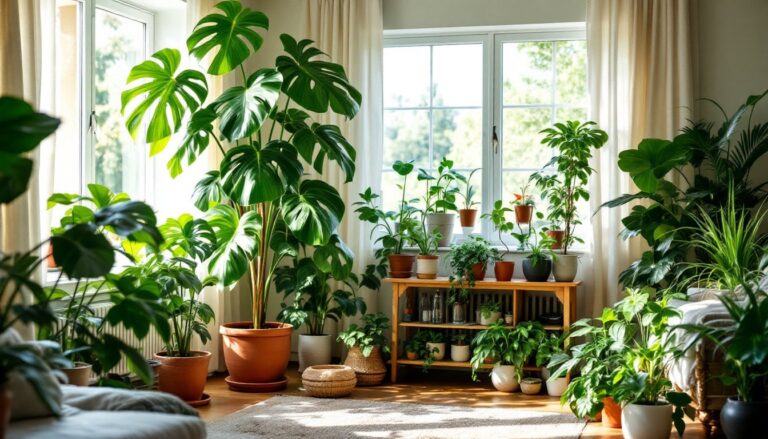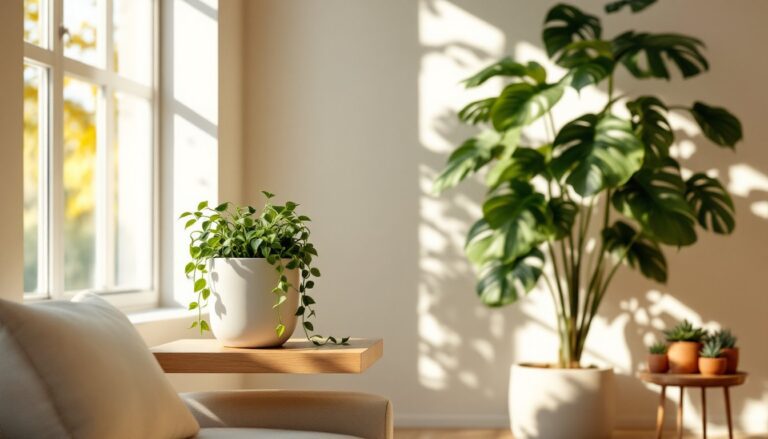
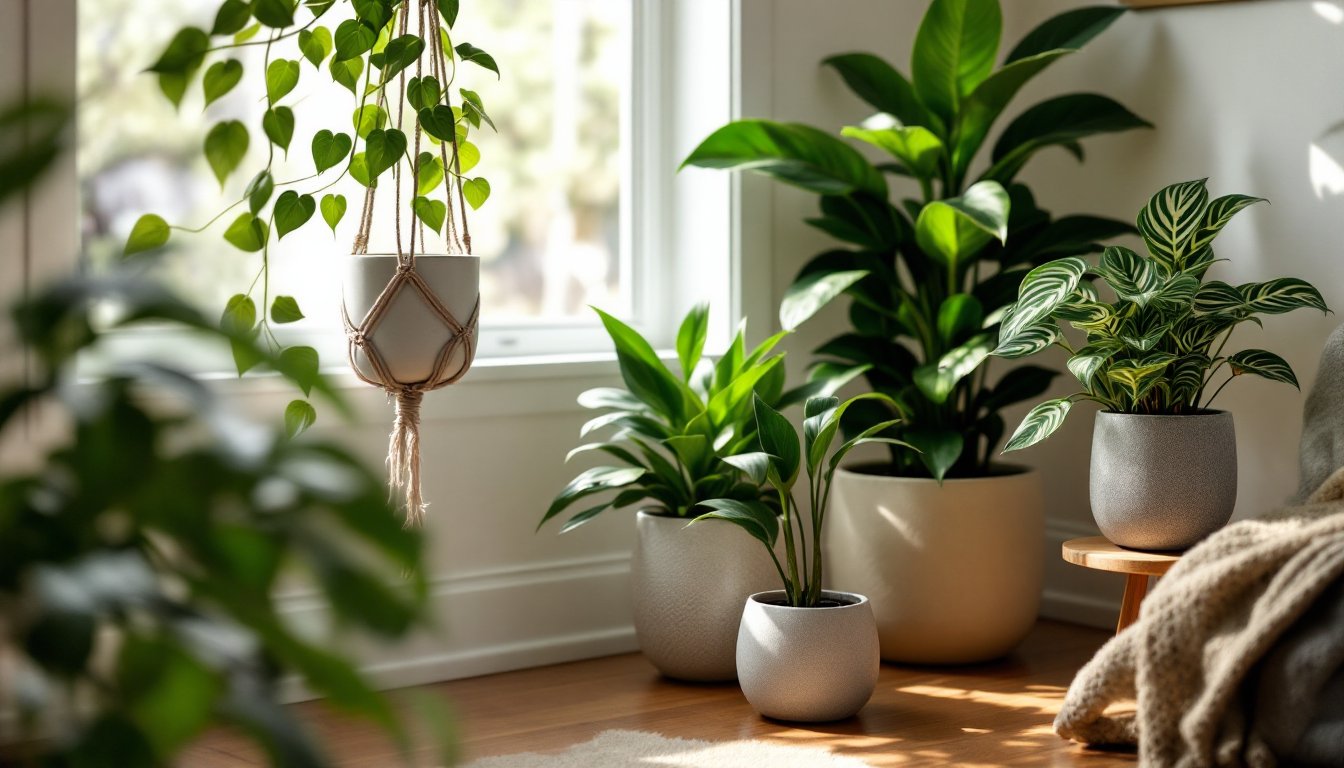
Not every room in your home gets flooded with sunlight, and that’s okay. The myth that house plants need constant, bright light keeps countless people from bringing greenery indoors. The truth? Shade-loving house plants thrive in low-light corners, north-facing windows, and even offices with only fluorescent bulbs. Whether your entryway is dim, your bathroom lacks windows, or you’ve got a cozy bedroom nook, shade-tolerant plants can transform these spaces without demanding hours of sunlight. This guide covers the best shade-loving house plants for any room, how to set them up for success, and the mistakes that tank most attempts.
Table of Contents
ToggleKey Takeaways
- Shade-loving house plants thrive in low-light conditions with just 2-4 hours of indirect light, making them ideal for north-facing windows, bathrooms, and interior rooms.
- Pothos, philodendrons, snake plants, and ZZ plants are the most reliable low-maintenance shade-tolerant varieties for any room in your home.
- Overwatering is the leading cause of failure with shade plants—water only when the top 1-2 inches of soil feel dry since these plants use water more slowly.
- Even shade-loving house plants need some ambient light daily; a completely dark space will eventually starve any plant, so use grow lights if natural light is unavailable.
- Shade-tolerant plants require minimal fertilizer and benefit from quarterly rotation to encourage even growth and prevent them from leaning toward light sources.
Why Shade-Loving Plants Are Perfect for Low-Light Spaces
Shade-loving plants, botanically called shade-tolerant or sciophytic plants, have adapted to grow beneath forest canopies and dense vegetation. They require less photosynthesis to survive, which means they’ve evolved broader leaves, deeper green pigmentation, and slower growth rates. This works beautifully in your home. A north-facing window that gets 2-4 hours of indirect light is more than enough for many shade plants. Bathrooms, hallways, and interior rooms with zero natural light aren’t completely off-limits, either: many shade-tolerant plants can survive under standard LED or fluorescent bulbs for extended periods, though they’ll grow more slowly. The practical bonus? Shade plants are often more forgiving about watering mistakes and temperature fluctuations than their sun-loving cousins. They’re the perfect solution if you’re building a house plants collection throughout your home without relegating everything to the one sunny window you’ve got.
Top Shade-Tolerant Plants for Indoor Spaces
Pothos and Philodendrons: Trailing Classics for Any Corner
Pothos (also called devil’s ivy) and philodendrons are the go-to starter plants for low-light homes, and for good reason. Both are nearly indestructible trailing vines with heart-shaped leaves. Pothos tolerates everything from a dark corner to indirect bright light and can survive in conditions that would kill fussier plants. Philodendrons, particularly heartleaf varieties, are equally forgiving. Both prefer soil that’s moist but not waterlogged: let the top inch dry out between waterings. A north-facing window works fine, as does a shelf 6-8 feet away from any window. These plants grow quickly in warmer months, so pinch back stems occasionally if you want them fuller, or let them trail and cascade from a hanging planter or shelf. Neither needs pruning, fertilizer, or special humidity, just rotate them quarterly if you notice growth leaning toward available light.
While many people collect popular house plants for their technical care requirements, pothos and philodendrons deliver impact with minimal fuss. Plant them in any room: bedrooms, living rooms, kitchens, even bathrooms. They’ll bounce back from neglect and thrive indefinitely.
Snake Plants and ZZ Plants: Low-Maintenance Powerhouses
Snake plants (Sansevieria) and ZZ plants (Zamioculcas zamiifolia) are the workhorses of shade gardening. Snake plants have upright, architectural leaves and can tolerate more neglect than almost any other houseplant. They prefer to dry out completely between waterings, overwatering is their only real enemy. ZZ plants are equally tough with glossy compound leaves and a similar tolerance for dryness. Both produce new growth from rhizomes, so even if you underwater them for months, they’ll recover. Neither needs frequent feeding: fertilize once or twice in spring and summer if you want to encourage growth, but it’s optional. Snake plants are especially good in bedrooms since they release oxygen at night. ZZ plants grow slower than pothos but eventually reach 2-3 feet tall and work beautifully in corners or as accent pieces. For anyone serious about easy house plants that genuinely require minimal care, these two are non-negotiable choices.
Creating the Ideal Growing Environment for Shade Plants
Shade plants don’t need fancy setups, but a few basics ensure they’ll thrive. Soil is the foundation: use a high-quality indoor potting mix (not garden soil) that drains well. Most shade plants prefer slightly moist soil, not soggy: if your mix stays wet for days, add perlite or orchid bark to improve drainage. Light should be indirect. North-facing windows are ideal but not mandatory, any window without direct afternoon sun works. If you have no natural light, standard LED or fluorescent bulbs can sustain shade plants for weeks or months, though growth slows significantly. Position lights 6-12 inches above foliage for best results.
Watering is where most people stumble. Shade plants photosynthesize slowly, so they use less water than sun-loving plants. Water when the top 1-2 inches of soil feel dry to the touch, not on a fixed schedule. In winter, watering frequency drops by half. Temperature and humidity matter less than with tropical sun plants. Most shade-tolerant varieties are happy between 60–75°F. Humidity is a bonus but not essential: mist occasionally if leaves look dusty, or group plants together to create a slightly more humid microclimate. For setups that need flexibility, where to put plants in interior spaces becomes much easier when you embrace shade-tolerant varieties. Rotate all plants quarterly to encourage even growth and prevent them from leaning toward light sources.
Common Mistakes to Avoid When Growing Shade-Loving Plants
The biggest mistake is overwatering. Shade plants grow slowly and use water gradually, so soil that stays wet invites root rot and fungal issues. When in doubt, wait another few days before watering. Check soil moisture with your finger, not on a calendar.
Second, don’t assume “shade plant” means “no light at all.” Even low-light plants need some ambient light. A completely dark closet will eventually starve any plant. Aim for at least indirect light for several hours daily, or use grow lights if natural light is truly unavailable.
Third, resist the urge to overfertilize. Shade plants grow slowly, so they need less nutrition than sun-lovers. Feeding once or twice in spring and summer is plenty. Excess fertilizer burns roots and promotes weak, leggy growth. Use half-strength diluted fertilizer if you’re uncertain.
Fourth, don’t crowd plants. Air circulation prevents mold and mildew, especially in bathrooms and humid rooms. Space pots a few inches apart and avoid blocking light with larger plants in front of smaller ones. If leaf spots or fuzzy growth appear, increase airflow immediately. Finally, avoid cold drafts. Shade-tolerant plants often prefer warmth: keep them away from air vents, open windows in winter, and exterior doors. A consistently cool spot around 65°F is fine, but rapid temperature swings stress plants. For anyone stocking common house plants throughout their home, these basics apply across the board: patience with watering, realistic light expectations, and minimal feeding.
Conclusion
Shade-loving house plants open up your entire home to greenery. With pothos, philodendrons, snake plants, and ZZ plants as your backbone, you can fill every dim corner and low-light room with living color. The key is respecting their adapted traits: they thrive in indirect light, prefer drier soil than sun plants, and reward patience more than fussiness. Start with one or two hardy varieties, master the basics of watering and light, and expand from there. Your shaded spaces are no longer obstacles, they’re opportunities.