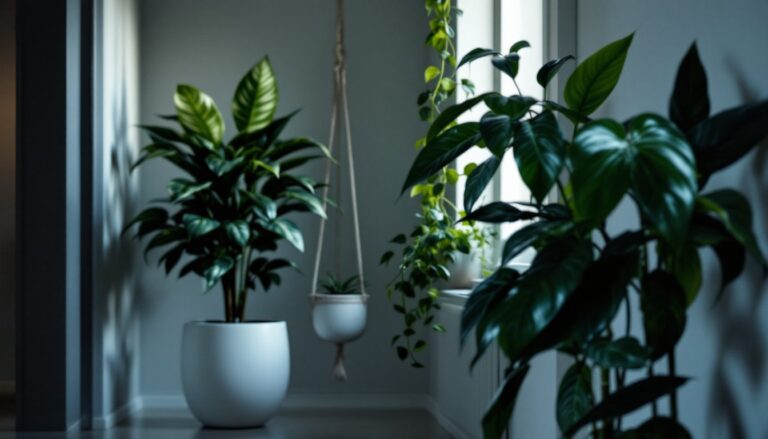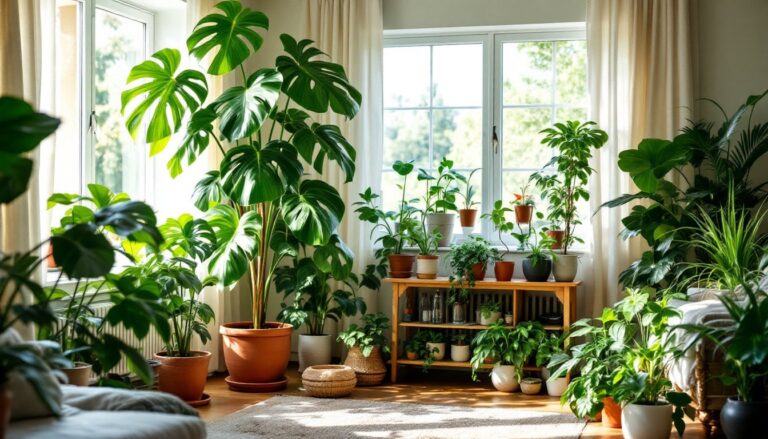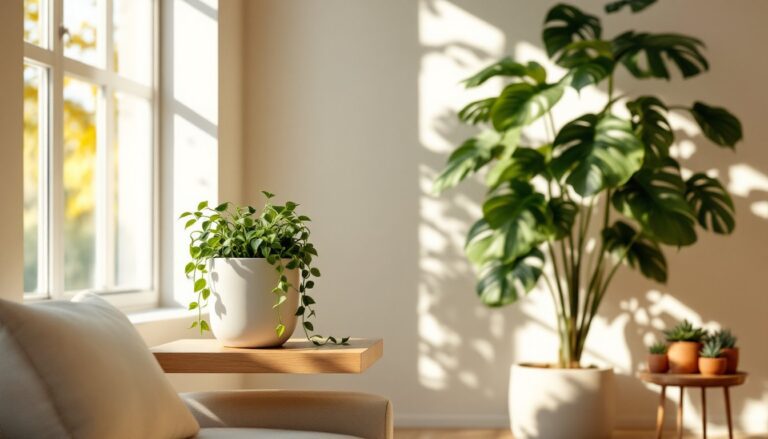
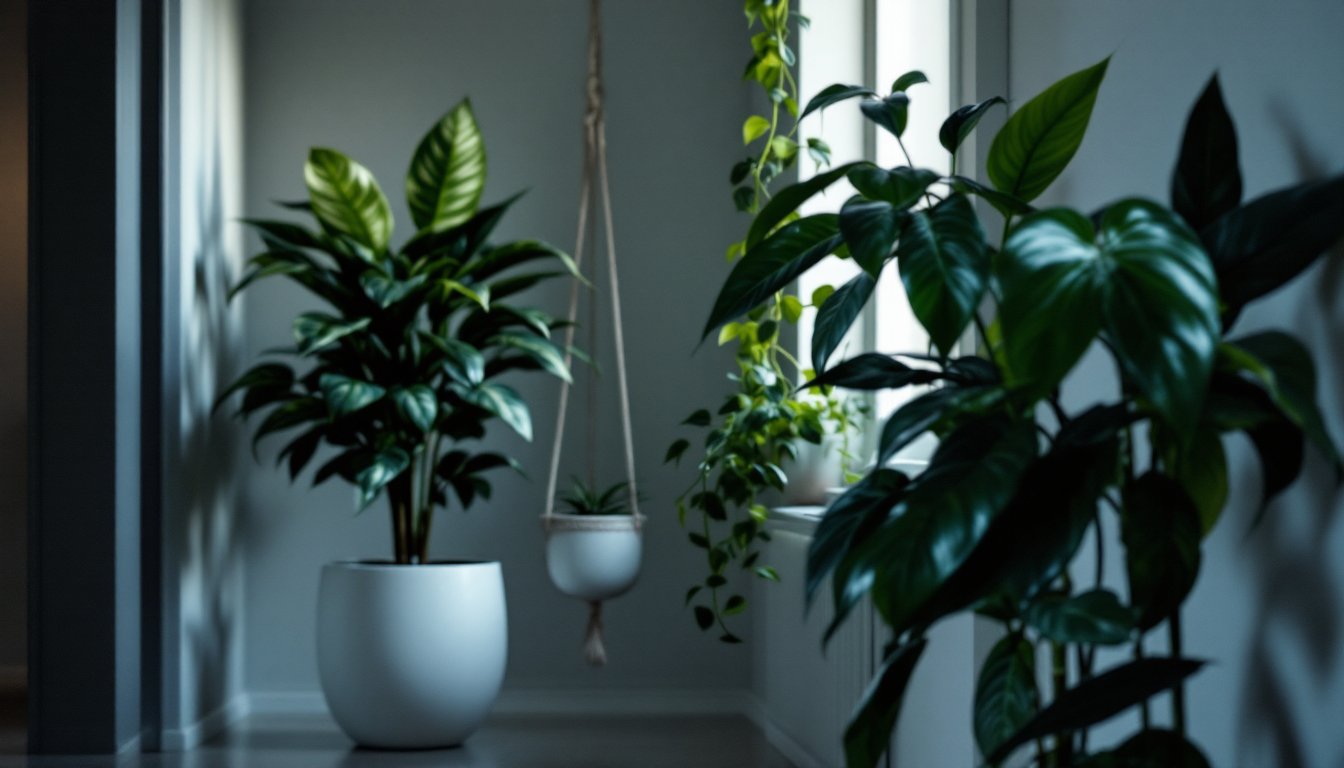
Not every corner of your home floods with natural light, and that’s fine. Plenty of homeowners struggle with dim bedrooms, basement offices, or north-facing bathrooms, spaces where traditional plants would wilt faster than ice cream in July. The good news? Low-light indoor plants are tougher than they look. These resilient varieties don’t just survive in shade: they actually prefer it. Whether you’re working with a cramped apartment or a room tucked away from windows, low-light plants offer a practical way to bring greenery into spaces that would otherwise feel sterile. You’re not fighting against nature, you’re working with it.
Table of Contents
ToggleKey Takeaways
- Low-light indoor plants that don’t need light are naturally adapted to thrive in shaded environments, making them ideal for dim bedrooms, basements, and hallways without requiring grow lights or supplements.
- Snake plants, pothos, and cast iron plants are the most resilient low-light varieties, tolerating irregular watering, neglect, and fluctuating humidity while maintaining attractive foliage in any room.
- Overwatering is the primary killer of low-light plants because they metabolize water slowly; always check soil moisture before watering and use pots with drainage holes to prevent root rot.
- Low-light plants expand your decorating options by allowing you to add greenery to corners and shelves that would otherwise stay bare, transforming dim spaces into visually appealing areas.
- Group plants together to create natural microclimate humidity, maintain temperatures between 60–75°F, and rotate pothos occasionally to encourage balanced growth and fuller coverage.
Why Low-Light Plants Are Perfect For Your Home
Low-light plants solve a real problem: the majority of home interiors don’t get six to eight hours of direct sunlight daily. Hallways, basements, bathrooms, and interior bedrooms are common culprits. Rather than forcing high-light plants into dim spaces and watching them struggle, low-light varieties do what they evolved to do, thrive in shade.
These plants aren’t wimpy either. They’ve adapted to forest understories and tropical interiors where bright sun never reaches. That same toughness translates to your living room. Many low-light plants tolerate irregular watering, fluctuating humidity, and the occasional neglect that comes with busy schedules. They’re ideal for renters who can’t install grow lights or for homeowners who’d rather skip supplemental lighting altogether.
Beyond practicality, low-light plants expand your decorating options. You can bring greenery into a home without worrying about window placement, which opens up corners, shelves, and walls that would otherwise stay bare. A pothos trailing down a bookshelf in your office, a snake plant anchoring a dim entryway, or a cast iron plant softening a basement corner, these aren’t compromises. They’re smart design choices. Low-light plants let you garden on your terms, not on nature’s schedule.
Top Low-Light Indoor Plants For Every Room
Snake Plants: The Nearly Unkillable Choice
Snake plants (Sansevieria trifasciata) are the closest thing to indestructible foliage you’ll find at a nursery. They thrive in low light, tolerate erratic watering, and honestly look good while doing it. Their upright, architectural leaves, available in solid green, variegated yellow, or mottled gray, fit seamlessly into modern and traditional interiors alike.
Snake plants excel in bedrooms and offices where ambient light is minimal. They prefer to dry out between waterings, making them bulletproof for anyone who forgets to water on schedule. One critical tip: use well-draining soil (a 50/50 mix of potting soil and perlite works well) because soggy roots cause rot faster than anything else. The best house plants often include snake plants because they genuinely thrive with benign neglect. Repot every two to three years, and you’ll have a plant that outlasts most relationships.
Pothos: Versatile And Hard To Kill
Pothos, also called devil’s ivy, is the reliable workhouse of indoor gardening. Its heart-shaped leaves cascade beautifully, making it perfect for hanging baskets, shelves, or tall planters where you want trailing foliage. It tolerates low light far better than sun-loving plants, though it’ll grow faster in moderate indirect light.
What makes pothos legendary is its flexibility. Stick it in a dim corner, water when you remember, and it’ll still put out new growth. The trade-off? Faster growth happens in brighter spots, but even in a shadowy bathroom or basement, pothos won’t quit. It’s forgiving enough for beginners yet stylish enough to work in any room. Rotate it occasionally to encourage even growth, and pinch back the vines if you want bushier, fuller coverage. This plant genuinely works everywhere, which is why popular house plants consistently list pothos in the top tier.
Cast Iron Plants: Proof That Beauty Doesn’t Need Light
Cast iron plants (Aspidistra elatior) have been nursery standards for over 150 years because they live up to their name, they’re genuinely cast iron. Large, glossy, dark green leaves create a formal, elegant appearance even in the gloomiest corner of your home.
These plants grow slowly, which is actually a benefit. They don’t sprawl out of control, and repotting isn’t a constant chore. Cast iron plants do prefer cooler spaces and higher humidity than some other low-light options, so a steamy bathroom or a cool basement becomes an ideal home. Water them when the soil surface feels dry, but don’t obsess, they’d rather be slightly dry than waterlogged. Their mature size (two to three feet tall with a similar spread) makes them excellent floor-level statement pieces in dim entryways or living room corners. If you’re hunting for indoor plants that don’t need light, cast iron plants deliver sophisticated foliage without any fuss.
Essential Care Tips For Low-Light Spaces
Watering And Humidity For Shade-Loving Plants
Low-light plants metabolize water more slowly than sun-loving varieties because they’re photosynthesizing at a reduced rate. That means overwatering is your biggest enemy. Before watering, always stick your finger one inch into the soil: if it feels moist, wait another few days. Most low-light plants prefer drying out slightly between waterings.
Use a pot with drainage holes, non-negotiable. Sitting water breeds root rot, and once rot sets in, the plant’s done. Water thoroughly until it drains from the bottom, then empty the saucer. If your tap water is heavily chlorinated, let it sit for 24 hours before watering, or use filtered water.
Humidity matters more than you might think, especially in winter when heating dries out indoor air. Bathrooms naturally provide humidity, which is why they’re ideal for low-light plants. For other rooms, group plants together (they create a microclimate), mist occasionally, or set pots on pebble trays filled with water, the water evaporates around the plant without waterlogging the roots. Where to put plants in your house requires balancing light availability with humidity and air circulation, so scout your space before positioning plants.
Temperature consistency also supports healthy growth. Most low-light houseplants prefer 60–75°F and hate cold drafts or sudden temperature swings. Keep them away from heating vents, air conditioning units, and exterior doors in winter. A stable environment reduces stress and lets your plant focus on growth rather than survival.
Make Low-Light Gardening Work For You
Low-light plants aren’t a compromise, they’re a practical, stylish solution for real homes with real lighting situations. Snake plants, pothos, and cast iron plants deliver consistent results without demanding perfect conditions. Start with one of these tried-and-tested varieties, master the watering rhythm for your space, and you’ll quickly build confidence. Common house plants succeed because they match homeowner expectations and lifestyles. Your dim hallway doesn’t need to stay bare. Pick a plant, follow the care basics, and enjoy the quiet satisfaction of watching something green actually thrive under your roof.