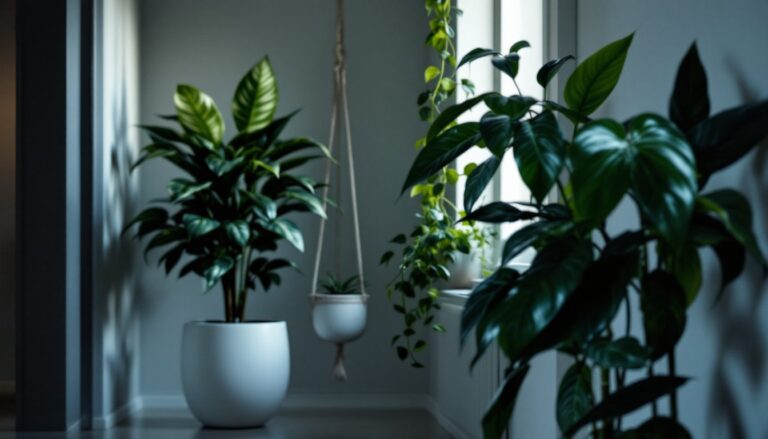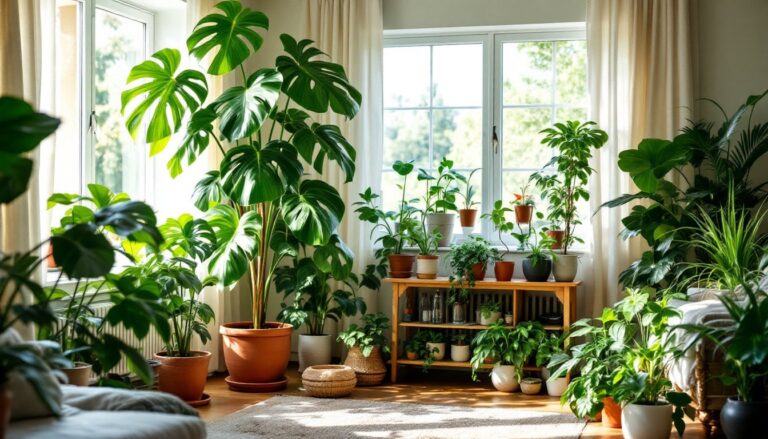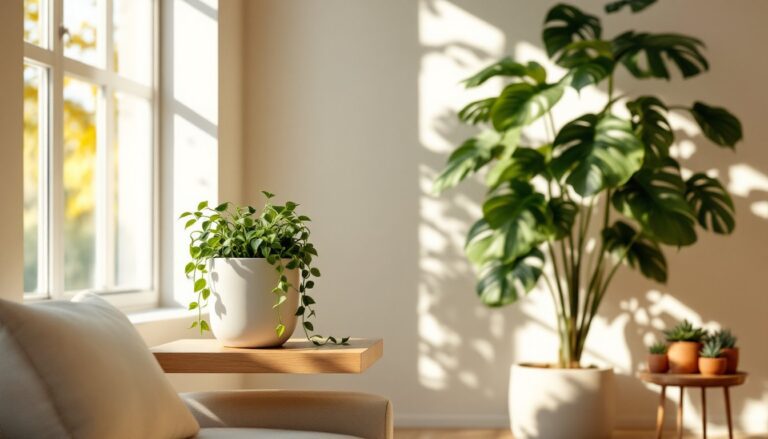
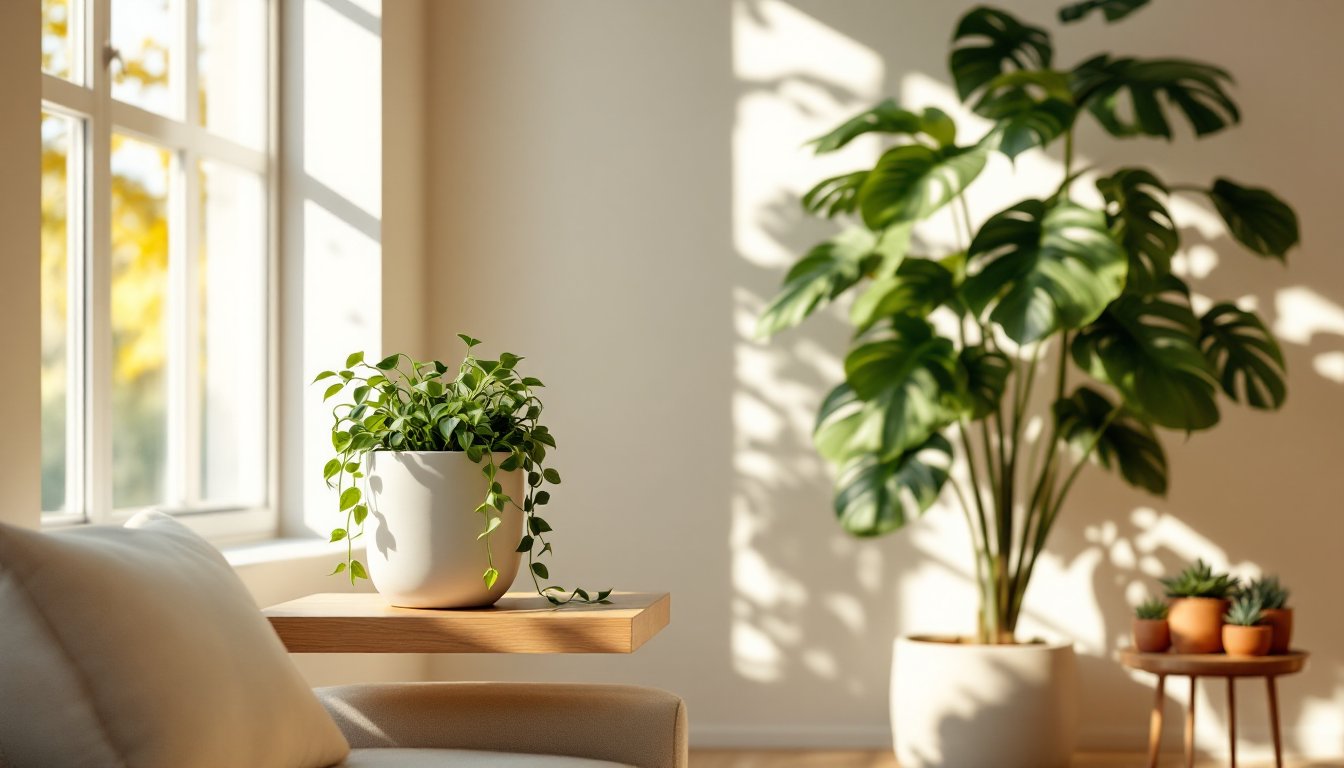
Live house plants have become the easiest way to transform a home’s atmosphere without swinging a hammer or refinishing a floor. Whether you’re refreshing a dark corner or creating a botanical focal point, adding greenery delivers instant visual impact and measurable air-quality benefits. This guide walks you through selecting plants that fit your light and lifestyle, mastering the fundamentals of plant care, and styling them so they look purposeful rather than scattered. If you’ve killed a succulent or watched a fiddle leaf fig decline, you’re not alone, but by the end, you’ll have a clear roadmap to thriving indoor green spaces.
Table of Contents
ToggleKey Takeaways
- Live house plants improve air quality by absorbing CO₂ and filtering household toxins while reducing stress and boosting focus in your home.
- Match live house plants to your space’s actual light conditions—south-facing windows support high-light plants like succulents, while north-facing areas suit low-light tolerant options like cast-iron plants.
- The most common plant-killing mistake is overwatering; check soil 1–2 inches deep and water only when dry, use pots with drainage holes, and choose well-draining potting mix.
- Tropical house plants and drought-tolerant varieties like snake plants, ZZ plants, and pothos offer design flexibility while adapting to different watering schedules and humidity levels.
- Group plants in odd numbers at varying heights and rotate them 90 degrees weekly to create intentional visual displays and promote balanced, healthy growth.
Why Live House Plants Transform Your Living Space
Live house plants do more than fill empty shelf space. They absorb CO₂ and release oxygen while filtering common household toxins, a documented benefit from studies by NASA and universities worldwide. Beyond air quality, plants reduce stress and improve focus: research shows people in plant-filled rooms experience measurable drops in blood pressure and cortisol levels.
From a design standpoint, plants soften hard architectural lines and introduce organic texture and color gradients that staged furniture alone can’t achieve. A trailing pothos on a high shelf, a cluster of snake plants beside a sofa, or a large monstera statement piece in a corner instantly elevate a room’s visual story. Unlike paint or wallpaper, plants are living, forgiving design elements, they grow and change, giving your space personality and dimension year-round.
Choosing the Right Plants for Your Home Environment
The most common reason DIYers abandon house plants is mismatch between the plant’s light needs and the room’s actual conditions. Before buying anything, spend a day observing your space.
Assessing Light Conditions in Your Rooms
Light varies dramatically room to room and changes seasonally. South-facing windows get 6+ hours of direct sun: north-facing windows rarely get direct light but provide consistent, bright indirect light: east and west exposures fall in between. Check light levels at different times of day and note how windows are shaded by trees or neighboring buildings.
High-light plants (6+ hours direct sun) include succulents, cacti, and herbs. Medium-light plants thrive in bright, indirect light 3–5 feet from an unobstructed window, pothos, philodendrons, and ZZ plants excel here. Low-light tolerant options like cast-iron plant and lucky bamboo survive in corners and interior rooms, though they won’t thrive as vibrantly.
Honestly assess before buying. If your living room’s east window faces a brick wall, that’s low-to-medium light, not the bright spot you imagined. Overestimating light is the fastest way to watch a plant decline.
Matching Plants to Your Lifestyle and Experience Level
If you travel frequently or forget to water, drought-tolerant plants are non-negotiable. Succulents, snake plants, and ZZ plants can handle irregular watering and neglect far better than ferns or calathea, which demand consistent moisture. If you’re home regularly and enjoy a watering routine, you have more flexibility.
Consider humidity too. If your home is dry (especially in winter with heating), avoid humidity lovers like anthuriums and ferns. Areca palms and pothos adapt better to typical indoor conditions. Popular house plants like monstera and rubber plants offer a sweet spot, attractive, forgiving, and adaptable to most homes. If you’re new to plants or prone to overwatering, start with easy house plants that are nearly impossible to kill.
Essential Care Fundamentals for Healthy Plants
Three factors govern plant health: water, light, and drainage. Get these right and most plants thrive: skip any and they decline fast.
Watering is the biggest misstep. Most DIYers overwater out of good intentions. Stick your finger 1–2 inches into soil: water only if it’s dry at that depth. For most tropical houseplants, watering every 5–7 days is normal: succulents need water every 2–3 weeks. Use room-temperature water if possible, cold water shocks roots. Pots must have drainage holes: sitting water is death for roots. Use well-draining potting mix, not garden soil, which compacts indoors and suffocates root systems.
Light was covered above, but here’s the practical take: more light is rarely the problem: too little is. If a plant is getting leggy (sparse leaves with long stems), it’s reaching for light. Move it closer to a window or consider a grow light. Even a budget-friendly LED grow light clipped to a shelf costs under $30 and extends your options significantly.
Humidity matters for tropical plants but isn’t as critical as new plant parents think. Grouping plants together creates a micro-humid zone. Misting helps temporarily but doesn’t address underlying dryness. If your home’s humidity dips below 30% in winter, use a pebble tray: place pots on a saucer filled with pebbles and a little water (pots sit on pebbles, not in water). As water evaporates, humidity rises around the plants.
Feed plants monthly during growing season (spring/summer) with half-strength diluted liquid fertilizer. In dormancy (fall/winter), skip feeding. Repot only when roots circle the soil surface or water drains instantly (sign of dense, root-bound soil). Most plants need repotting every 12–18 months into a pot 1–2 inches larger in diameter. Common house plants tolerate a range of conditions, making them forgiving while you build confidence.
Styling and Displaying Live Plants in Your Home
Once you’ve chosen plants suited to your light and lifestyle, placement and display matter. Grouping plants of varying heights and leaf shapes creates visual interest. A tall plant anchors a corner: a trailing plant cascades from a shelf: a compact plant sits front and center. Odd numbers (three, five) feel more intentional than pairs.
Pot choice communicates style. Terracotta breathes and suits bohemian looks but dries out faster. Ceramic holds moisture longer and works for modern, eclectic, or traditional decor. Plastic is practical for frequent waterers and works anywhere, though less visually striking. Match pot size to plant, overcrowded soil retains too much moisture: oversized pots create root rot risk.
Considering tropical house plants for a statement? They demand visibility. Place a bird of paradise or monstera where it’s a focal point, not hidden in a corner. Indoor house plants for shelves, desks, or side tables should be sized appropriately, a 4-inch potted string of pearls works: a 12-inch monstera does not.
Cluster plants on plant stands, side tables, or windowsills to create a “plant corner” rather than scattering singles throughout. This approach reads intentional and makes watering easier. Rotate plants 90 degrees weekly if they’re in a window: this prevents one-sided growth toward the light. A little rotation takes 30 seconds and keeps plants balanced and attractive. Better Homes & Gardens and The Spruce offer seasonal styling ideas if you want inspiration beyond the basics, but the fundamentals are grouping, adequate light, and regular tending, not expensive décor fussing.
Conclusion
Live house plants aren’t a luxury, they’re an accessible, rewarding investment in your home’s air quality, visual appeal, and your own well-being. Start small with one or two plants suited to your light and watering habits. Master the basics: proper light, well-draining soil, and restrained watering. As your confidence grows, expand your collection and experiment with more demanding varieties. The beauty of plants is that failure teaches: a struggling plant tells you what it needs. Listen, adjust, and watch your home transform into a thriving green sanctuary.