A full sun front yard is both a blessing and a challenge. You’ve got hours of uninterrupted light, perfect for eye-catching curb appeal, but that intense exposure also means scorching heat, rapid moisture loss, and fewer plant options than shaded areas offer. The good news? The right plants don’t just survive full sun: they thrive in it, often requiring less fussing than their shade-loving cousins. This guide covers proven performers that deliver color, texture, and structure without demanding constant attention, so your front yard looks great whether you visit it daily or weekly.
Table of Contents
ToggleKey Takeaways
- Full sun plants for front yards thrive with 6–8 hours of direct sunlight daily and require thick-leaved, drought-tolerant species like coreopsis, rudbeckia, and daylilies rather than coddling.
- Colorful flowering plants such as zinnia, salvia, and coreopsis deliver season-long blooms with minimal deadheading, while ornamental grasses provide year-round texture and winter interest.
- A layered design using 3–5-foot shrub backbones (butterfly bush, lilac, smoke bush), mid-height perennials, and low-growing edgers creates visual depth and reduces maintenance once established.
- Drought-tolerant shrubs like coyote brush and smoke bush provide permanent structure and mass, requiring less water and fussing than their shade-tolerant counterparts.
- Deep watering during the first growing season followed by minimal supplemental water establishes resilience; overwatering causes rot and weakens plants’ natural drought tolerance.
- Avoid late-summer pruning and over-fertilizing, as these trigger tender growth vulnerable to winter damage and weak, spindly development in full sun landscapes.
Why Full Sun Exposure Requires The Right Plant Selection
Full sun means at least 6–8 hours of direct sunlight daily, often concentrated in afternoon heat. That’s where most plants fail. Unlike shaded yards where you can get away with generalists, full sun demands sun-lovers, species with mechanisms to handle intense UV, heat stress, and rapid water evaporation. The trick isn’t just picking any plant that “tolerates” sun: you want ones that actually flourish under those conditions. Sun-loving plants typically have smaller, thicker leaves (waxy or silvery coatings that reflect heat), deeper root systems, and lower water needs. Plant them in poorly amended, compacted soil, and they’ll still thrive. Add afternoon shade cloth or coddle them with extra water, and they often struggle. Understanding this upfront saves you from the frustration of coddling plants that want to be left alone. When you work with the light you’ve got instead of against it, your landscaping becomes self-reliant rather than needy.
Colorful Flowering Plants That Thrive In Direct Sunlight
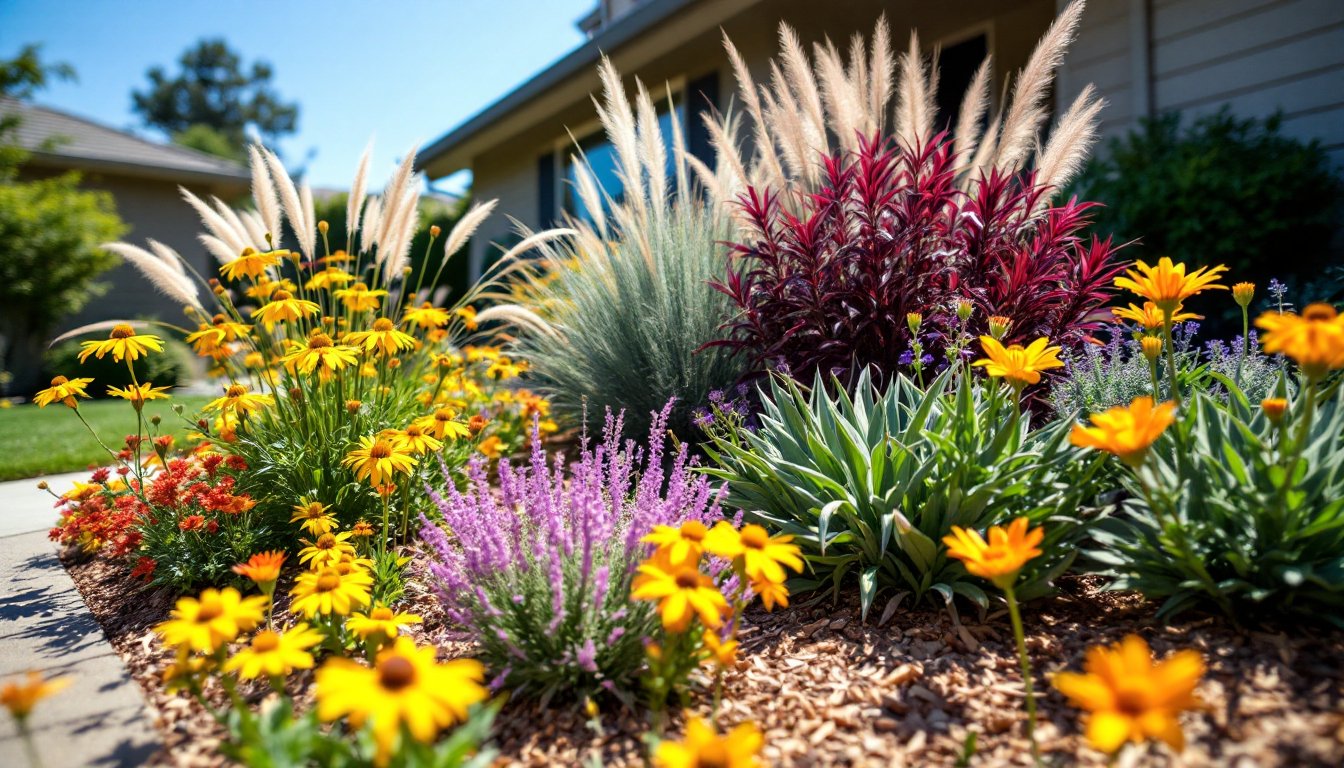
Coreopsis (tickseed) is a workhorse in full sun. It blooms nearly all season in yellows, reds, and pinks, demands no staking, and seeds itself modestly without becoming invasive. Plant it 18–24 inches apart in average soil and water until established: after that, rain alone often suffices. Rudbeckia (black-eyed Susan) follows the same playbook, tough, prolific, and golden-yellow flowers that attract pollinators. Both are native to many regions and cost under $5 a plant. Zinnia thrives in summer heat and full sun, offering huge color range and cut-flower quality. Unlike coreopsis, zinnias are annuals (you replant yearly), but they deliver unmatched bloom density. Space them 12 inches apart and deadhead spent flowers to encourage more blooms through fall. For Mediterranean flair, salvias (sage family) offer spiky texture and hummingbird appeal in reds, purples, and pinks. They’re semi-woody, drought-tolerant once established, and bridge the gap between herbaceous perennials and shrubs. Plant selections like salvias work well alongside where to put plants in house strategies when you’re thinking about year-round visual interest. Daylilies are reliable, nearly indestructible perennials with modern varieties blooming for months in nearly every color except blue. They tolerate poor soil, neglect, and come back thicker each year. A single $8 daylily division can fill a front border within three seasons.
Ornamental Grasses And Structural Plants For Year-Round Interest
Ornamental grasses anchor full sun landscapes with texture, movement, and winter architecture when everything else goes dormant. Feather reed grass grows upright to 4–5 feet, adding vertical emphasis without demanding pruning or staking. Its golden plumes appear early summer and persist through winter, earning its keep across seasons. Fountain grass (Pennisetum) spreads into airy mounds with arching foliage and bottlebrush-like flowers in pink or burgundy. Plant 3–4 feet apart so mature clumps don’t crowd. Both thrive in hot, dry spots where turf grass fails. For structure without the grass look, Russian sage (Perovskia) creates a 3–4-foot cloud of gray-green foliage and lavender-blue flowers from midsummer onward. It’s semi-woody, drought-tolerant once established, and attracts bees relentlessly. Achillea (yarrow) offers flat flower clusters in reds, oranges, yellows, and whites, and dries beautifully if you leave it standing. These structural plants work especially well when paired with strategies outlined in articles about best house plants since they provide backbone plantings. In USDA zones 4–9, these grasses and companions won’t require replanting or elaborate winter protection, cutting your annual labor significantly.
Drought-Tolerant Shrubs For Low-Maintenance Front Yards
Shrubs provide mass, permanence, and screening in ways herbaceous plants can’t. Butterfly bush (Buddleia) grows fast, often 6–8 feet in a season, with fragrant flower spikes in purple, pink, white, or yellow. Full sun and well-draining soil are non-negotiable: it will rot in shade or soggy ground. Prune hard in early spring to control size and shape. Many regions flag butterfly bush as invasive: check local restrictions before planting. Coyote brush (Baccharis) is native to much of the West, shrubby, 4–6 feet tall, and nearly immortal in drought and poor soil. It’s often overlooked but deserves more attention for lean, xeriscape yards. Lilacs thrive in cold climates and full sun, flowering reliably even when neglected. They’re old-fashioned, reliable, and fragrant. Cut spent flower clusters promptly to encourage better blooming next year. For year-round foliage color, smoke bush (Cotinus) offers floppy, plum or golden foliage and, with full sun, turns brilliant red-orange in fall. It’s not a shrub you prune into a tight ball: it’s a statement plant that rewards space and sunlight. These shrubs, combined with herbaceous layers, create depth. Unlike generic foundation plantings, a mixed approach feels intentional and requires less maintenance once established. Easy house plants thinking translates well here, pick tough survivors, not fussy prima donnas.
Design Tips For Layering Sun-Loving Plants
Layering creates visual interest and makes small yards feel larger. Start with a 3–5-foot shrub backbone (butterfly bush, lilac, smoke bush), place medium herbaceous perennials in front (daylilies, salvias, coreopsis at 2–3 feet), and edge with low growers (creeping thyme, catmint at 12–18 inches). Repeat this pattern across your front bed rather than scattering singleton plants. Odd numbers, three or five of the same plant spaced 2–3 feet apart, create rhythm that reads from the street. Alternate textures: pair spiky salvias with airy daylilies, feathery grass with bold rudbeckia. Use flower color purposefully. A single color scheme (all purples and blues, or all warm reds and oranges) feels intentional: random multicolors look chaotic. Consider bloom times too. Spring bulbs (tulips, ornamental onions) followed by early perennials, then mid-summer annuals and grasses, then fall bloomers keep the yard fresh May through October. This is where popular house plants resources can inspire ideas, the principle of thoughtful composition applies indoors and out. Mulch between plants with 2–3 inches of wood chips or gravel, depending on plant type. This suppresses weeds, moderates soil temperature, and lets new plants establish without competing for moisture.
Maintenance And Care Essentials For Full Sun Landscaping
Establishment is everything. In the first growing season, water new perennials and shrubs deeply (8–12 inches) twice weekly if rain doesn’t arrive. After 12 months, most full-sun plants need supplemental water only during droughts or heat waves. Overwatering causes rot, fungal issues, and weakens plants’ natural drought resilience. Deadheading (removing spent flowers) extends blooms on coreopsis, rudbeckia, and zinnias but isn’t mandatory on naturalistic plantings, let some flowers go to seed for wildlife and a wilder aesthetic. Cut back dormant perennials in early spring after new growth emerges, or leave them standing through winter for shelter and visual interest. Don’t shear ornamental grasses until late winter or early spring: cutting too early invites cold damage. Prune shrubs right after bloom or in early spring before growth resumes: avoid pruning in late summer, which triggers tender new growth that winter cold may kill. Fertilizer is usually unnecessary, these plants evolved to thrive in poor soil. If you apply compost or slow-release fertilizer, do it in early spring only: excess nitrogen produces weak, spindly growth. Pest and disease pressure is low in full sun because good air circulation inhibits fungal issues. Watch for spider mites in extreme heat (spray with water to dislodge) and aphids on new growth (spray or hand-remove). Most full-sun plants outcompete weeds once established, so year-two maintenance drops dramatically. For regional inspiration and detailed seasonal guides, resources like The Spruce offer comprehensive how-tos tailored to your climate zone.
Conclusion
A full sun front yard needn’t be a liability. With the right plant selection, sun-lovers like coreopsis, rudbeckia, ornamental grasses, and drought-tolerant shrubs, you’ll have a landscape that blooms generously, requires minimal water and fussing, and looks better year after year. Start with a layered design, water deeply during establishment, then step back and let the plants do their job. Your future self, standing on the porch in July without a hose in hand, will thank you.