Pet owners who want to bring greenery indoors face a real dilemma: most houseplants look great but pose serious risks to curious cats and dogs. The good news is that you don’t have to choose between a vibrant indoor garden and a safe home for your furry friends. There are plenty of pet-friendly houseplants that thrive indoors, add visual interest, and won’t send you to the vet if your pet takes a nibble. This guide covers the best safe options, care strategies, and practical tips for creating a green space that works for everyone in your household.
Table of Contents
ToggleKey Takeaways
- Pet-friendly houseplants like spider plants, prayer plants, and parlor palms provide greenery and improved air quality without the risk of toxicity to cats and dogs.
- Proper placement—hanging trailing plants high, using sturdy pots, and grouping plants on shelves—is the first line of defense to keep pets safe and prevent accidents.
- Well-draining potting mix, correct watering based on soil moisture checks, and appropriate light conditions are essential for keeping pet-safe plants thriving indoors.
- Common toxic houseplants like lilies, sago palms, and dieffenbachia cause serious health issues in pets, making plant selection a genuine safety concern for pet owners.
- Start with one or two easy indoor pet-friendly plants, master their care requirements, and expand gradually rather than creating a complex garden that becomes difficult to maintain.
Why Pet-Friendly Plants Matter for Your Home
Houseplants improve air quality and boost mood, but for pet owners, plant selection is a genuine safety concern. Dogs and cats are naturally curious, they chew, scratch, and knock things over. When a plant is toxic, even light contact or a few chewed leaves can cause vomiting, diarrhea, drooling, or worse.
According to the ASPCA Animal Poison Control Center, thousands of calls come in yearly from pet owners who’ve discovered their pets got into toxic plants like lilies, sago palms, or dieffenbachia. The solution isn’t to skip houseplants: it’s to choose varieties that pose no threat. Pet-friendly plants let you decorate confidently without constant supervision of your pet around every green thing in your home.
You can create a lush, thriving indoor garden without sacrifice. Many House Plants Safe for varieties are easy to grow, require minimal care, and genuinely look good in modern spaces. The trick is knowing which plants are genuinely non-toxic and which ones are overhyped in design magazines.
Top Safe Houseplants That Thrive Indoors With Pets
Spider Plant and Prayer Plant Varieties
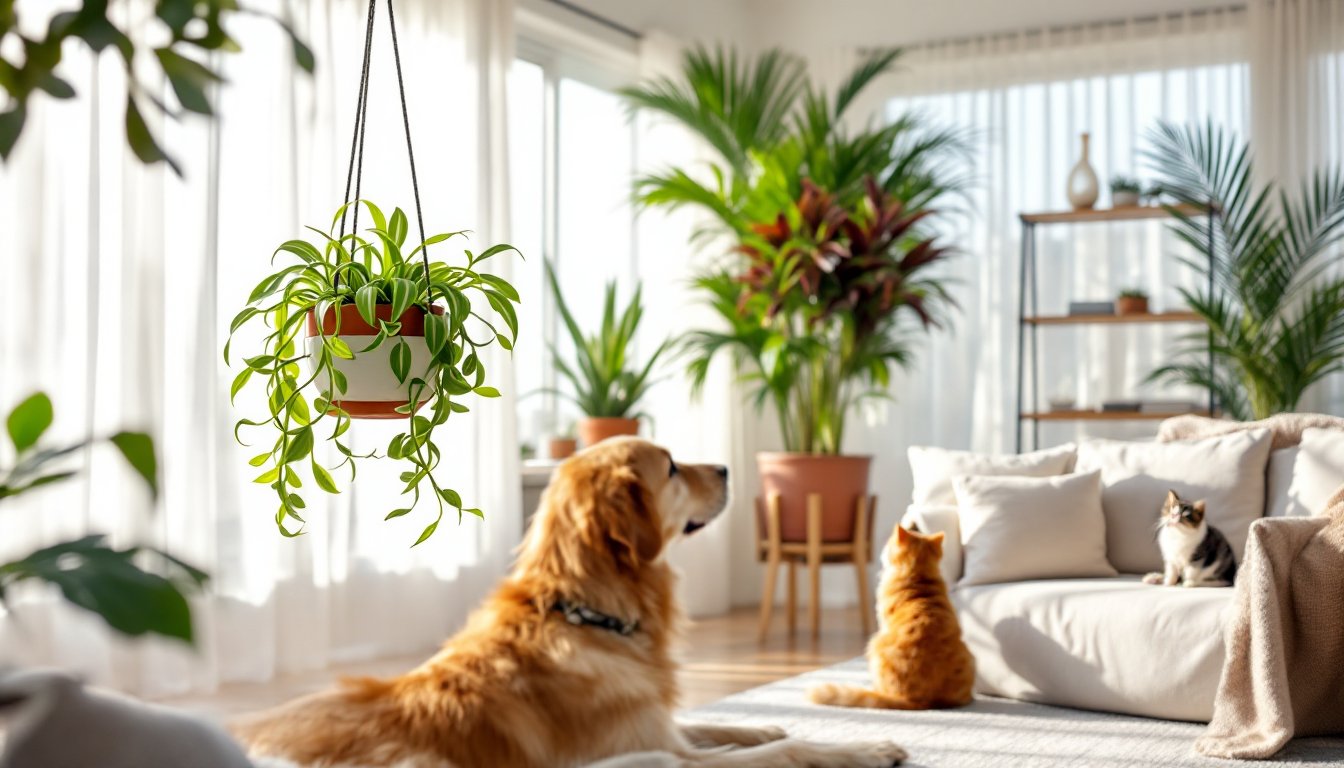
Spider plants are the workhorses of pet-safe greenery. They’re completely non-toxic to cats and dogs, nearly impossible to kill, and grow quickly enough to feel rewarding. They tolerate low light, irregular watering, and neglect, perfect for busy households. Hang them in a pot with drainage holes and water when the top inch of soil feels dry. They’ll produce dangly plantlets over time, which you can propagate into new plants or leave hanging for visual drama.
Prayer plants (Maranta spp.) are equally safe and add delicate, patterned foliage that stands out on shelves or side tables. Their leaves fold up at night, a quirk kids and pets find fascinating. They prefer indirect light and consistent moisture but not waterlogged soil. Keep the humidity moderate by misting lightly or placing on a pebble tray. They stay compact, making them ideal for smaller spaces where pets might be tempted to disturb larger floor plants.
Another winner in this category is the Boston fern, though it demands more attention than spider plants. It needs humidity, indirect light, and consistently moist (but not soggy) soil. For pet owners with the time to care for it, the payoff is impressive: lush, trailing fronds that create a living backdrop. Position it on a high shelf or hanging planter to reduce the temptation for pets to nibble or knock over the pot.
Parlor Palm and Boston Fern Options
Parlor palms are safe, elegant, and slower-growing than spider plants, think of them as the patient investor’s choice. They reach 3–4 feet indoors and prefer bright, indirect light. They’re not heavy feeders but appreciate diluted fertilizer during spring and summer growth. Because they grow upright and tall, they occupy vertical space without sprawling across tables where pets might bump them. They fit naturally in corners or beside furniture, creating a tropical feel without the tropical care demands.
The Ponytail palm is another safe palm option that looks architectural and sculptural, nothing like a typical houseplant. Even though the name, it’s not actually a palm but a succulent with a swollen base that stores water. This means it tolerates neglect and irregular watering better than most plants. It prefers bright light and fast-draining soil. Water deeply, then let the soil dry out completely before watering again. Pets rarely bother it because the leaves are tough and not appealing to chew.
For cat owners specifically, consider the Calathea (sometimes called a prayer plant relative). It’s non-toxic and has stunning patterned leaves that catch the eye. But, Calatheas are picky about water quality, they prefer distilled or rainwater and can develop brown leaf edges in tap water. They also want humidity and indirect light. If you’re willing to dial in the conditions, the visual payoff is worth it.
When selecting any plant, start with one or two varieties and master their care before adding more. Pet-safe plants still need appropriate light, soil, water, and drainage. A struggling plant becomes a broken pot and a hazard, so prep correctly from the start.
Plant Care Tips for Pet-Friendly Spaces
Successful indoor gardening in a pet-friendly home relies on three things: proper placement, soil prep, and honest maintenance.
Placement is your first defense. Hang trailing plants high enough that pets can’t reach them easily. Use sturdy hanging brackets and heavy ceramic or terracotta pots, light plastic pots tip over with a small jump or nudge. Group plants on shelves or plant stands rather than scattering single pots on the floor, where they become tripping hazards and tempting targets for curious pets. Avoid placing plants directly behind where your pet sleeps or eats: loose leaves and spilled soil end up in their food and water bowls.
Your soil matters more than many DIYers realize. Use a well-draining potting mix labeled for houseplants, not garden soil. Garden soil compacts indoors, holds too much moisture, and can harbor pests or fungi. Most houseplant mixes include peat moss, perlite, and bark, ingredients that drain well and allow roots to breathe. For succulents and palms, buy a cacti/succulent mix specifically formulated to drain faster.
Water is where most people falter. More houseplants die from overwatering than underwatering. Check soil moisture with your finger before watering, push it an inch into the soil. If it feels moist, wait a few days. If it’s dry, water until it drains from the bottom holes. Ensure every pot has drainage holes: sitting in standing water kills roots and creates mold. Empty any saucer after 15–20 minutes so water doesn’t reabsorb.
Light varies by plant, but “bright, indirect light” is the safest starting point. A north-facing window provides gentle, consistent light without harsh afternoon sun that can scorch leaves. East or west windows work with a sheer curtain to soften direct rays. South-facing windows are intense, reserve them for succulents and palms that crave brightness. If you have low-light rooms, stick with spider plants, pothos (wait, pothos is toxic to pets: skip it), or parlor palms, which tolerate shade.
Fertilizer is optional for pet owners. Many people skip it entirely or use diluted fertilizer monthly during growing season (spring and summer). More fertilizer doesn’t mean faster growth: it risks salt buildup that harms roots. If you forget to fertilize, your plants will still survive, they’ll just grow more slowly.
Finally, inspect plants regularly for pests and disease. Mealy bugs, spider mites, and fungus gnats sneak in on new plants or soil. Isolate any infested plant away from pets and treat with neem oil or insecticidal soap, following label directions carefully. Many House Plants Toxic to families discover pest problems when pets start showing illness, prevention through inspection is easier than treating a sick pet.
Conclusion
Building a pet-safe indoor garden doesn’t require sacrificing style or greenery. Spider plants, prayer plants, parlor palms, and ferns are proven performers that coexist peacefully with cats and dogs. The real work is matching plants to your light and care capacity, placing them smartly, and staying consistent with watering. Start with one or two easy varieties, master their care, and expand from there. Your home will feel greener, your air will be cleaner, and your pets will stay safe.