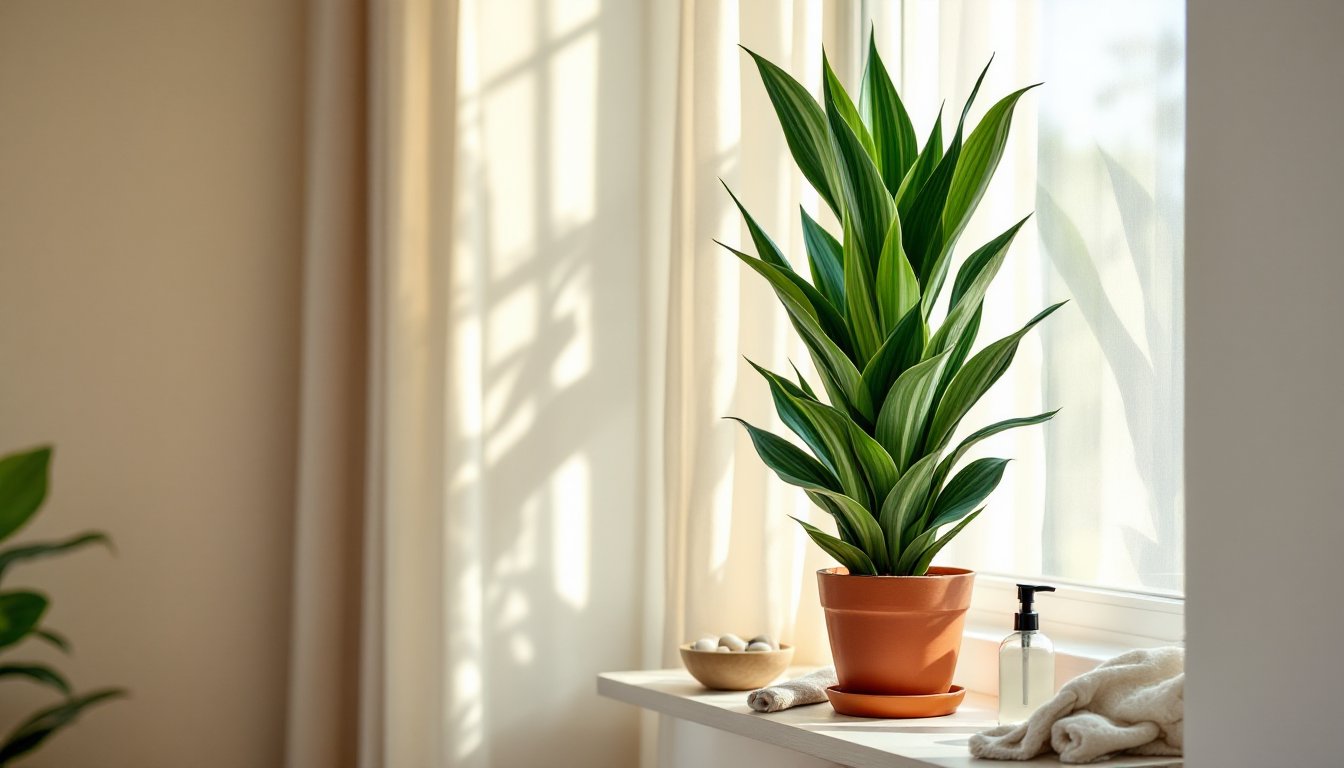
Snake plants (Sansevieria trifasciata) have become the darling of the houseplant world, and for good reason. These striking, upright plants thrive on neglect, tolerate low light, and actually improve your indoor air quality by removing toxins like formaldehyde and benzene. Whether you’re a seasoned plant parent or someone who’s accidentally killed every succulent they’ve ever touched, snake plants deliver results with virtually zero fuss. They’re also compact enough for apartments and sturdy enough to survive a forgotten watering cycle or two. If you’re looking to add greenery to your space without the botanical anxiety, snake plants are your answer.
Table of Contents
ToggleKey Takeaways
- Indoor snake plants are low-maintenance air purifiers that remove harmful toxins like formaldehyde and benzene while thriving in neglected conditions and low light.
- Water snake plants only once every two to three weeks during growing season by checking if soil 1–2 inches deep is dry, as overwatering is the leading cause of plant failure.
- Use well-draining cactus or succulent soil mixed with perlite, paired with a terracotta pot with drainage holes, to prevent root rot in indoor snake plants.
- Place snake plants in bright, indirect light (east or west-facing windows) for optimal growth, though they tolerate dim corners—just avoid direct intense sunlight.
- Dust leaves every few months, maintain temperatures between 60°F–75°F, and repot only when roots circle the drainage hole, keeping snake plants virtually untouched for years.
- Snake plants are ideal for apartments and pet-friendly homes (though mildly toxic to cats and dogs), growing slowly to 2–4 feet with architectural foliage that complements any décor.
Why Snake Plants Are Perfect for Your Home
Snake plants deserve their reputation as the ultimate set-it-and-forget-it houseplant. Their waxy, sword-like leaves can tolerate nearly any indoor condition, dim corners, bright windowsills, dry office spaces, humid bathrooms. Unlike finicky tropical plants that demand constant attention, snake plants have evolved to store water in their leaves, meaning they actually prefer periods of dryness between waterings.
Beyond aesthetics, these plants are powerhouse air purifiers. NASA research identified snake plants among the most effective at filtering harmful chemicals from indoor air. They’re also non-toxic to most people, though they’re mildly toxic to cats and dogs (worth knowing if you have pets).
Another win: they grow slowly and predictably. You won’t wake up to a plant that’s outgrown your entire living room. Most varieties top out at 2 to 4 feet tall, making them perfect for shelves, corners, or entryways. The architectural foliage, upright and geometric, also works as a design element, fitting easily into modern, traditional, or eclectic spaces. If you want easy house plants to brighten your décor, snake plants belong at the top of any list.
Choosing the Right Location and Light Conditions
Snake plants are famous for tolerating low light, but they’ll thank you for better conditions. Bright, indirect light is ideal, think an east or west-facing window with a sheer curtain filtering the sun. They’ll survive in low-light corners or north-facing spaces, but growth slows considerably, and the leaves may lose their vigor.
Direct, intense sunlight (especially in a hot, south-facing window) can bleach the foliage or stress the plant, so avoid all-day direct rays. If your space is naturally dim, a windowless bedroom or deep interior office, a snake plant will still hang on, but rotating it occasionally toward whatever light is available helps.
Temperature matters less than light consistency. A stable, warm room (between 60°F and 75°F) is comfortable for snake plants, though they’ll tolerate temperatures down to the low 50s. Avoid placing them directly on radiators or in drafts from air conditioning. The best real estate in your home is often a corner with medium to bright indirect light, away from heating and cooling vents.
Watering and Soil Requirements
This is where snake plants earn their low-maintenance reputation. Overwatering is the number-one killer of Sansevieria. Their roots rot quickly in soggy soil, and they’re designed to survive on infrequent watering, think once every two to three weeks in growing season (spring and summer), and even less in fall and winter.
Here’s the method that works: stick your finger 1 to 2 inches into the soil. If it feels dry, water thoroughly until it drains from the bottom. If it’s still moist, wait another week. During cooler months, you might only water once a month or less. The plant will droop slightly when it’s genuinely thirsty, this is a signal, not a death sentence.
Soil is equally important. Standard potting mix retains too much moisture for snake plants. Instead, use a cactus or succulent soil blend, or mix regular potting soil with perlite or coarse sand in a 2-to-1 ratio. The goal is fast drainage: water should pass through in seconds, not minutes. Pot selection matters too, use a container with drainage holes, and consider terracotta, which breathes and helps soil dry faster than plastic. Popular house plants like snake plants thrive when paired with the right soil and pot combo.
Temperature, Humidity, and Ongoing Care
Creating the Ideal Environment
Snake plants are unfussy about humidity, they don’t need misting or humidifiers. Normal household humidity (30–50%) is fine. In fact, excess humidity in stagnant air can promote rot, so if your home is humid, ensure the plant has mild air circulation.
Temperature swings below 50°F slow or stop growth and can damage foliage, so keep plants away from cold windows or unheated spaces during winter. Conversely, heat above 80°F isn’t problematic, but consistent warmth between 60°F and 75°F is the sweet spot.
Fertilizing is optional. Snake plants grow slowly and don’t deplete soil nutrients quickly. If you choose to fertilize, use a diluted, balanced indoor plant fertilizer (like 5-5-5 or 10-10-10) once in spring and once in early summer. Skip fertilizing in fall and winter when growth naturally slows.
Dust buildup on the waxy leaves looks dull and blocks some light absorption. Wipe leaves gently with a soft, damp cloth every couple of months. This also gives you a chance to inspect for pests, though spider mites and mealybugs are rare on snake plants, they do occasionally show up.
Troubleshooting Common Problems
Yellowing leaves and soft stems: Almost always overwatering. Let the soil dry out completely, and in severe cases, repot into fresh, dry cactus soil. Remove any mushy roots with clean scissors.
Pale, drooping foliage: Too little light. Move the plant to a brighter spot, even if it’s just a few feet closer to a window. Growth should perk up in 2 to 4 weeks.
Brown leaf tips: Often caused by cold drafts or inconsistent watering. Adjust location and stick to a regular watering schedule (checking soil dryness first).
Slow or no growth: This is normal in winter and in low light. If growth stalls year-round, the plant needs brighter conditions. Otherwise, be patient, snake plants aren’t sprinters.
Repotting is rarely urgent. Snake plants are fine staying in the same pot for several years. Repot only when roots circle the drainage hole or the plant feels extremely top-heavy. Spring is the best time. Use fresh cactus soil and a pot only 1 to 2 inches larger in diameter. Indoor house plants like snake plants often thrive best when left undisturbed for long periods.
Conclusion
Snake plants are the houseplant equivalent of a reliable friend, undemanding, consistent, and always there when you need them. They handle neglect, low light, and forgetful owners with grace. Pair one with well-draining soil, a bright indirect spot, and sporadic watering, and you’ve got a living centerpiece that also purifies your air. Whether you’re furnishing an apartment for the first time or looking to revive your houseplant confidence, snake plants deliver on every front.