Indoor plants brighten up your home and purify the air, but uninvited pests can turn your green sanctuary into a problem fast. Spider mites, mealybugs, scale insects, and fungus gnats are common culprits that weaken plants and spread from one pot to another. The good news: you don’t need harsh chemicals to reclaim your plants. Natural pest control methods work just as well, sometimes better, and they’re safer for your family, pets, and the environment. This guide walks you through seven proven techniques to eliminate bugs and keep your indoor garden thriving pest-free.
Table of Contents
ToggleKey Takeaways
- Identify the specific pest—spider mites, mealybugs, scale insects, or fungus gnats—before treating, as different pests respond to different natural solutions.
- Neem oil is an effective first line of defense for most indoor plant pests; mix and spray every 7–10 days for 3–4 weeks, applying in the evening to avoid leaf burn.
- Isolate infested plants immediately and keep them separated for 3–4 weeks after the last pest sighting to prevent bugs from spreading to healthy plants.
- Improve plant health through proper light, humidity, watering, and feeding—strong, vigorous plants naturally resist pest infestations better than weakened ones.
- Prevent future infestations by quarantining new plants for two weeks, wiping leaves monthly, monitoring regularly, and using fresh soil during repotting.
- Most natural pest control methods take 3–4 weeks to show full results, so consistency and patience are essential for getting rid of bugs on indoor plants naturally.
Identify Common Indoor Plant Pests Before Treatment
Before you treat, you need to know what you’re fighting. Indoor plant pests fall into a few categories, and misidentifying the culprit wastes time and materials.
Spider mites appear as tiny red, yellow, or brown specks on leaves and stems. They spin fine webbing between branches and cause yellowing, stippled leaves. Mealybugs show up as white, cottony clusters on leaf joints and stems. Scale insects look like small brown bumps stuck to stems and leaf undersides, they’re harder to spot but cause severe damage. Fungus gnats are tiny black flies hovering around soil: they breed in damp soil and lay eggs that damage roots.
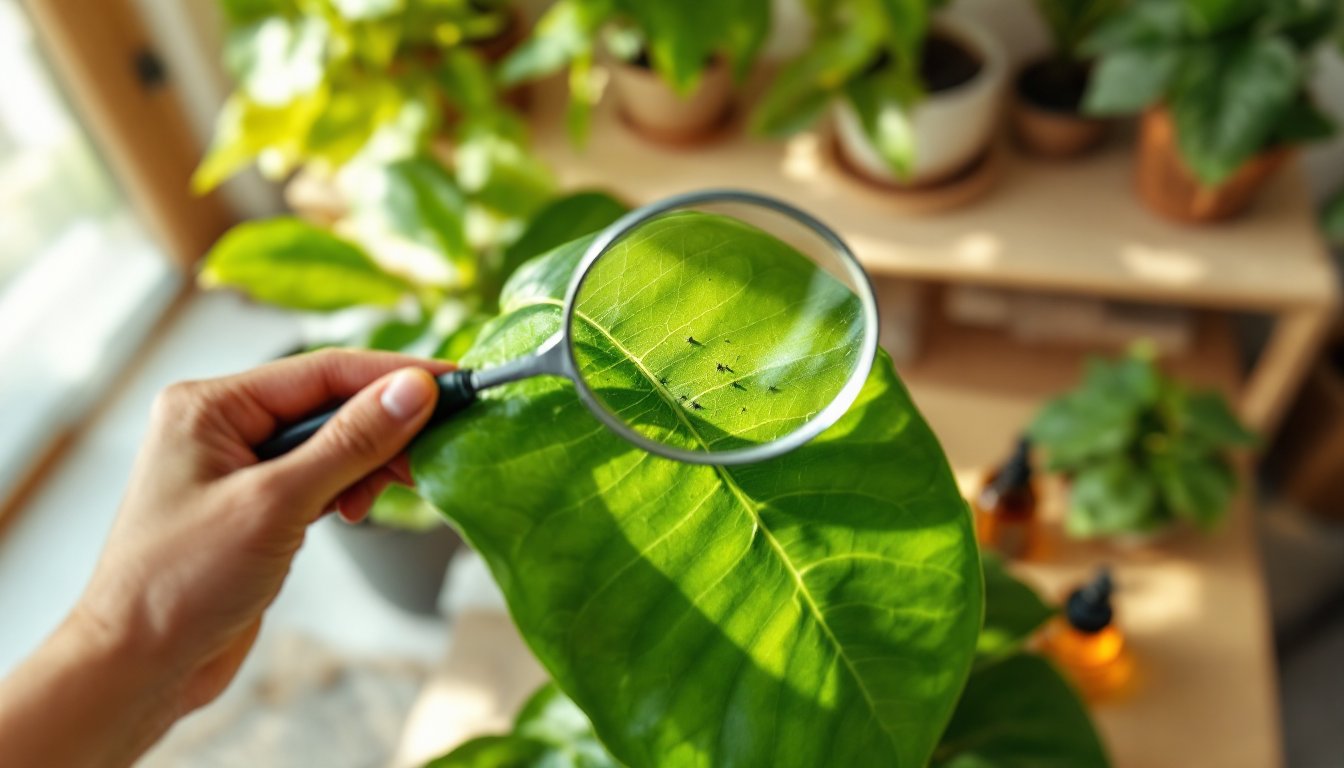
To identify your pest accurately, inspect leaf undersides with a magnifying glass during good daylight. Take a close photo if you’re unsure. Different pests respond to different treatments, so getting this step right saves frustration. Check multiple plants too, pests often spread before you notice them on just one.
Neem Oil: Your First Line Of Natural Defense
Neem oil is the workhorse of natural indoor plant pest control. It’s derived from the neem tree seed and disrupts the feeding and reproductive cycles of most common pests, spider mites, mealybugs, and scale insects all hate it.
Mix neem oil concentrate according to label directions (typically 1–2 tablespoons per gallon of water) and add a few drops of liquid dish soap to help it stick to leaves. Spray thoroughly on both leaf surfaces and stems, covering undersides where pests hide. Apply every 7–10 days for 3–4 weeks, or until you see no more bugs. Spray in the evening or early morning to avoid leaf burn from sunlight.
Safety tip: Wear gloves and eye protection when mixing and spraying. Neem oil has a pungent smell, apply it in a well-ventilated area or outdoors if possible. Never spray in direct sunlight, and keep it away from aquariums and beneficial insects like bees. Test on one small leaf first to check for plant sensitivity, though most houseplants tolerate neem oil well.
Insecticidal Soap And Water Spray Solutions
Insecticidal soap is gentler than neem oil but still effective for soft-bodied pests like mealybugs and aphids. You can buy premade organic insecticidal soap or make your own by mixing a few drops of pure castile soap (not detergent) with water.
Homemade recipe: 1 tablespoon pure castile soap per quart of water. Spray weekly until pests disappear, usually 2–4 weeks. Commercial products are stronger and may work faster, brands like The Spruce recommend solutions with potassium fatty acids as the active ingredient.
Spray until the solution drips off leaves. Soapy water works by coating soft-bodied insects and disrupting their cell membranes. It doesn’t leave residue like neem oil, so you can reapply more frequently. Downside: it only kills on contact, so you must coat every pest to be effective. For fungus gnats, spray the soil surface where eggs hatch, and consider letting the soil dry out slightly between waterings, gnats breed in constant moisture.
Note: Always spray in the evening and avoid direct sun. Some delicate plants like prayer plants or polka-dot plants may develop brown spots if hit with strong soap sprays: test first.
Isolate Affected Plants To Prevent Spreading
The moment you spot pests on one plant, move it away from others. Pests spread fast, spider mites and mealybugs migrate to neighboring plants within days.
Place infested plants in a separate room, bathroom, or garage if possible. If you can’t isolate completely, move the plant at least 3–6 feet away from healthy plants and upwind if you’re using a fan. Don’t share watering cans, pruners, or your hands between the infested plant and others without washing thoroughly first.
Check all nearby plants weekly, even plants that look fine may already have a few hitchhiking pests settling in. Early detection on secondary plants means easier treatment. Keep the infested plant isolated for 3–4 weeks after the last pest sighting before returning it to its original spot. This grace period ensures no hidden eggs hatch and reinfect the area. Also check the plant pot’s drainage saucer and nearby surfaces for dead pests or eggs.
Improve Plant Care To Build Natural Resistance
Healthy, vigorous plants resist pest infestations better than weak, stressed ones. A plant with strong growth can tolerate light pest pressure without visible damage.
Provide proper light and humidity. Most houseplants need bright, indirect light. Low light weakens growth, inviting pests. Dry indoor air also stresses plants, spider mites thrive in humidity below 40%. Mist foliage regularly or group plants to raise humidity. Water correctly. Overwatering damages roots and weakens the plant: fungus gnats breed in soggy soil. Water when the top inch of soil feels dry, and use containers with drainage holes. Don’t let plants sit in standing water.
Feed your plants. A light feeding of balanced fertilizer (10-10-10 NPK) every 4–6 weeks during the growing season (spring and summer) strengthens plant tissues and increases natural defenses. Weak, nutrient-starved plants are pest magnets.
Prune dead leaves and stems. Remove any yellowed, damaged, or dead foliage, it harbors pests and mold. Pruning also improves air circulation around leaves, reducing conditions that fungus gnats love. Check common house plants care guides to confirm specific watering and light needs for each plant type you own.
Maintain Your Indoor Garden Pest-Free
Once you’ve beaten back the bugs, prevention is far easier than treatment. A few habits keep pests from returning.
Quarantine new plants for 2 weeks before placing them near existing ones. Even store-bought plants can carry dormant eggs or young pests. Place new arrivals in a separate spot, inspect them closely, and spray with neem oil or insecticidal soap as a precaution. Wipe leaves monthly with a damp cloth or soft sponge. This removes dust, fungal spores, and any early-stage pests before they establish. It’s also good preventative care, cleaner leaves photosynthesize better.
Monitor regularly. Walk around your plants weekly and flip a few leaves to check undersides. Catching a few mealybugs early beats dealing with a full infestation. Repot with fresh soil annually or as needed. Old soil can harbor pest eggs and pupae. Use fresh, sterile potting mix and clean pots. Studies on organic pest management from Better Homes & Gardens confirm that consistent monitoring and good plant health practices prevent 80% of indoor pest problems before they start.
Consider companion methods. Yellow sticky traps catch flying gnats and whiteflies, hang them near affected plants. Cinnamon sprinkled on soil naturally repels some insects. These aren’t silver bullets, but they work as part of a larger prevention strategy.
Conclusion
Getting rid of indoor plant bugs naturally doesn’t require toxic sprays or hours of fussing. Start by identifying what you’re fighting, then apply neem oil or insecticidal soap consistently. Isolate affected plants, improve their care, and prevent future infestations with monitoring and good hygiene habits. Most natural pest control takes 3–4 weeks to show full results, so patience matters. Stick with the treatment plan, and your indoor house plants will recover and thrive. Your home stays green, healthy, and pest-free, naturally.