Tiny houses have moved from niche curiosity to legitimate housing alternative, and it’s easy to see why: lower land costs, reduced utility bills, and a smaller environmental footprint appeal to a growing number of homeowners. But before you commit to downsizing, you need to know the real numbers. The cost to build a tiny house in 2026 ranges widely depending on whether you’re going DIY, hiring professionals, choosing a fixed foundation or wheels, and what finishes you want. This guide breaks down the actual expenses so you can plan a realistic budget instead of guessing at costs.
Table of Contents
ToggleKey Takeaways
- The cost to build a tiny house ranges from $20,000 for a DIY barebones project to over $100,000 for professionally finished models, with most owner-builders spending $35,000–$65,000.
- Foundation type, material grade, labor costs, and finish level are the primary factors that determine your final tiny house budget.
- DIY building can cut costs by 30–50% compared to hiring professionals, but requires honest assessment of your carpentry skills and available time.
- Major expenses typically include foundation work ($3,000–$8,000), framing ($4,000–$8,000), mechanical systems ($4,000–$8,000), and interior finishes ($4,000–$7,000).
- Using reclaimed materials, simplifying design to a rectangular footprint, and choosing basic finishes can reduce your tiny house cost by thousands without sacrificing livability.
- Before committing to a tiny house project, verify local zoning codes and permitting requirements, as many jurisdictions restrict tiny homes or impose design standards that add $1,500–$3,000 in planning costs.
What Affects Tiny House Building Costs
The price of your tiny house isn’t a one-size-fits-all number. Several key variables shift costs dramatically.
Size and Foundation Type set the baseline. A 400-square-foot house on a permanent foundation costs more than an 200-square-foot model on a trailer chassis. Foundation work, whether concrete slab, pier-and-beam, or trailer, runs $3,000 to $8,000 alone. Permanent foundations require site prep, permits, and grading: wheels simplify that but add their own complexity.
Material Grade makes a massive difference. Reclaimed or salvaged materials can lower framing and siding costs. Standard pressure-treated lumber and standard-grade OSB are cheaper than FSC-certified or premium hardwoods. Paint, flooring, and fixture quality swing your budget by thousands.
Labor and Location heavily influence price. Building in a rural area with lower contractor rates costs less than the same project in a high-COL city. Your local building codes and permitting requirements also matter, some jurisdictions have stricter standards for tiny homes, adding inspection and compliance costs.
Finish Level separates a basic shelter from a livable home. Bare-bones interiors with plywood walls and no insulation cost a fraction of fully finished spaces with drywall, cabinetry, flooring, and appliances.
Average Cost Range for Tiny House Construction
According to recent data, the typical cost to build a tiny house falls between $30,000 and $60,000 for a simple, owner-built project, though professionally built models often run $60,000 to $100,000 or more. A tiny house on wheels typically costs $60,000 to $80,000 when professionally constructed, partly because the trailer chassis itself runs $4,000 to $6,000.
These figures assume a 200–400-square-foot structure with basic finishes, standard utilities (plumbing, electrical, HVAC or space heating), and compliance with local codes. Luxury tiny homes with high-end finishes, integrated smart systems, or custom cabinetry push well past $100,000.
When comparing quotes, understand what’s included. Some builders price only framing and shell: others include all finishes, utilities, and appliances. Ask explicitly whether electrical permits, inspections, and code compliance are bundled in.
DIY vs. Hiring Professionals
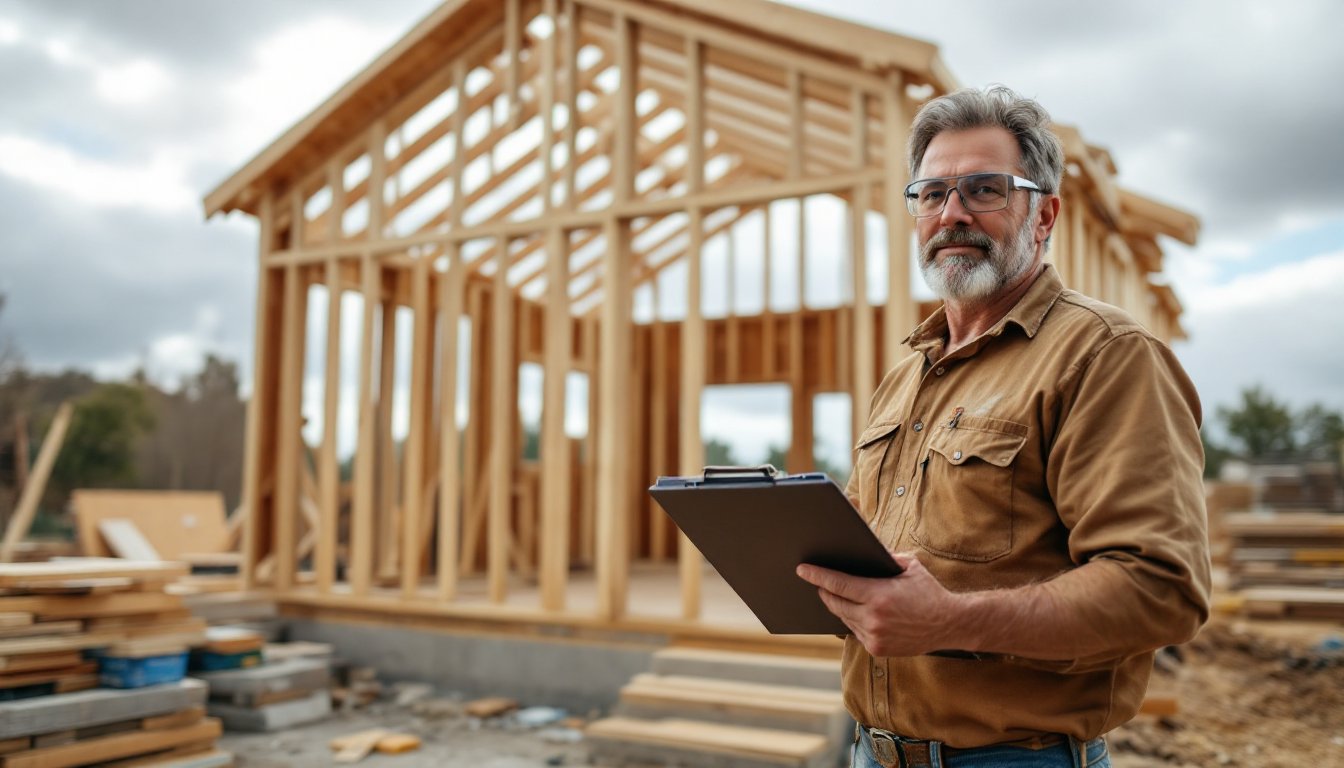
Building a tiny house yourself can cut costs by 30–50%, but that assumes you have carpentry skills, time, and access to tools. A skilled DIYer with some help might spend $20,000 to $40,000 on materials and rental equipment. Hiring professionals at every stage typically doubles that.
The middle ground, owner-builder with selective contractor help (foundation, electrical, plumbing inspections), often lands around $40,000 to $60,000. This approach offloads licensed work that requires permits or inspections while letting you handle framing, finishing, and simple tasks.
Be honest about your skills. Mistakes in framing, electrical, or plumbing aren’t just costly to fix: they can fail inspection, delay your project by months, or create safety hazards. If you’re uncertain, hire professionals for structural and mechanical work.
Breaking Down Major Expenses
Here’s where your money actually goes:
Foundation and Site Work: $3,000–$8,000
Before framing begins, you need a level, stable base. A concrete slab on grade costs $2,500–$5,000. Pier-and-beam or adjustable posts for sloped sites run $4,000–$7,000. A trailer chassis adds $4,000–$6,000 but eliminates foundation work.
Framing Materials: $4,000–$8,000
Lumber for walls, floor joists, roof trusses, and blocking typically runs $4–$8 per square foot of finished space. A 300-square-foot tiny house needs roughly $1,200–$2,400 in lumber alone. Add plywood sheathing, fasteners, and blocking, and framing materials land in the $4,000–$8,000 range depending on grade and waste factor.
Roof and Weatherproofing: $3,000–$6,000
Asphalt shingles, metal roofing, or standing-seam panels: underlayment: and flashing all protect the structure. Budget $3–$6 per square foot. For a 300-square-foot footprint with a pitched roof (roughly 400–500 sq. ft. of roof area), expect $1,500–$3,000. Add housewrap, door and window frames, and sealants.
Windows and Doors: $1,500–$3,500
Each window costs $200–$600 installed: entry doors run $300–$800. A tiny house typically has 4–8 windows and 1–2 doors, totaling $1,500–$3,500. Upgrade to energy-efficient models (low-E coating, insulated frames) and add 20–30% more.
Mechanical Systems (Plumbing, Electrical, HVAC): $4,000–$8,000
Plumbing rough-in, water heater, and fixtures: $1,500–$3,000. Electrical panel, wiring, outlets, and switches: $1,500–$2,500. Heating and cooling (mini-split heat pump, space heater, or small furnace): $1,500–$3,000. These systems are compact but not free.
Interior Finishes (Insulation, Drywall, Flooring, Paint): $4,000–$7,000
Insulation (fiberglass, spray foam, or rigid foam): $800–$1,500. Drywall and tape-and-mudding: $1,000–$1,800. Flooring (vinyl, laminate, or basic hardwood): $1,000–$2,000. Paint and primer: $300–$500. Cabinetry and countertops add another $1,500–$3,000 if not DIY.
Appliances and Fixtures: $2,000–$4,000
A compact kitchen needs a stove, fridge (likely RV-sized), and sink: $800–$1,500. Bathroom fixtures (toilet, shower pan, sink): $600–$1,200. Washer-dryer combo or separate units: $500–$1,500. Basic lighting and hardware: $300–$500.
These are material costs. Add 15–25% if hiring labor for each trade.
Ways to Reduce Your Tiny House Budget
Reclaimed and Salvaged Materials
Salvaged lumber, doors, windows, and fixtures from deconstruction sites or architectural salvage yards cost 30–50% less than new. Inspect them carefully for damage, dry rot, or code compliance issues. Some recycled materials require refinishing, which eats time but saves money.
Choose a Simple Footprint
A rectangle is cheaper to frame and roof than an L-shaped or multi-level design. Fewer interior walls and a simple gable roof cost less than complex geometries or dormers. Plan for minimal waste during material layout.
DIY Labor Where Skilled
Owner-building framing, finishing, painting, and basic carpentry saves the most. Subcontract only permit-required work (electrical rough-in, plumbing inspection, foundation). Most builders charge $40–$60 per labor hour: your time is free if you have it.
Smaller Footprint
A 200-square-foot house costs significantly less than a 400-square-foot one. Prioritize open floor plans and vertical storage. Every square foot adds cost to framing, roofing, mechanical, and finishes.
Basic Finishes
Skip granite countertops, custom cabinetry, and high-end flooring. Plywood cabinets, laminate counters, vinyl flooring, and basic paint finishes cut interior costs by half. You can upgrade later if budget allows.
Simplify Mechanical Systems
Skip AC if climate allows, use a wood stove or space heater, or install a simple mini-split. Standard panel-and-breaker electrical rather than smart home integrations. Composting toilets or simple septic reduce plumbing complexity (but verify local code approval first).
Buy in Bulk and Plan Materials Carefully
Work from detailed plans and material lists. Order lumber and fasteners as one shipment. Buy paint, drywall, and flooring slightly over your calculated need to avoid short trips for extras.
Build During Off-Season
Contractors and suppliers often offer discounts in winter when demand drops. You’ll face weather challenges, but material savings can offset them.
According to HomeAdvisor’s data on tiny house building, budget-conscious builders who combine DIY effort with strategic contractor help and basic finishes typically land in the $30,000–$45,000 range.
Is Building a Tiny House Right for Your Budget?
Before committing, ask yourself three questions:
1. What’s Your Total Available Capital?
Can you fund the full project upfront, or do you need financing? Tiny house loans exist but are harder to secure than conventional mortgages because lenders see them as niche. Bank on needing $30,000–$50,000 minimum in accessible cash.
2. Do You Have Time and Skills?
If you’re working full-time and have no carpentry experience, hiring pros adds 50–100% to material costs. If you can dedicate weekends and have basic tool skills, DIY-heavy approaches work.
3. What Are Your Local Codes and Zoning?
Many jurisdictions don’t permit tiny houses on permanent foundations or have minimum square-footage requirements. Tiny houses on wheels face parking and zoning restrictions in most places. Check local planning departments before budgeting. Some areas require professional architectural design plans (add $1,500–$3,000). Others mandate structural engineering for mobile homes (add $800–$1,500).
Resources like ImproveNet help homeowners get cost estimates and find local contractors. If you’re considering a tiny house on wheels, research specifics through detailed guides on building mobile tiny homes to account for trailer-specific expenses.
Tiny house building makes sense if you’re committed to the lifestyle, have realistic cost expectations, and understand the local regulatory landscape. Don’t assume it’s automatically cheaper than other housing, it can be, but only with careful planning and honest assessment of your own skills and available time.
Conclusion
Building a tiny house in 2026 costs anywhere from $20,000 for a barebones DIY effort to $100,000+ for a professionally finished showpiece. Most owner-builders land between $35,000 and $65,000 when balancing DIY work with professional help on critical systems. The real key is understanding your local codes, being honest about your skills, and choosing your finishes wisely. Start with detailed plans and a itemized materials list, then get competitive quotes from local contractors. A tiny house is achievable on a modest budget, just not by accident.