The Dutch house of plants trend is redefining how homeowners think about greenery indoors. Rather than a single showstopper plant tucked in a corner, the Dutch approach means layering multiple plants throughout a space, creating a lush, botanical atmosphere that feels lived-in and curated without trying too hard. This design philosophy, rooted in the Netherlands’ horticultural heritage, has swept across social media and interior design circles, offering a refreshing alternative to minimalist decor. Whether you’re a seasoned plant parent or just getting started, understanding the Dutch house of plants concept can transform your living space into a thriving indoor garden that’s both functional and beautiful.
Table of Contents
ToggleKey Takeaways
- The Dutch house of plants emphasizes layering multiple plants throughout your space at varying heights and in unexpected locations, creating a lush, lived-in botanical atmosphere rather than showcasing a single statement plant.
- This design approach works because it creates a natural micro-ecosystem where grouped plants improve humidity and light conditions for each other, making it easier for beginners and more forgiving when individual specimens struggle.
- Essential Dutch-inspired plants include monstera, pothos, philodendron, dracaena, and rubber plants—reliable, adaptable workhorses that tolerate variable light and watering schedules.
- Design your space by mapping light levels vertically and horizontally, arranging plants in odd-numbered clusters of varying heights using mixed container types, and distributing plants throughout your home for a collected-over-time feel.
- Consistent care—not perfection—is key: water based on soil moisture rather than schedules, use well-draining potting soil, feed during growing seasons, and embrace the reality that plant failures are part of the natural learning process.
- The Dutch house of plants trend celebrates evolution and experimentation, turning your home into a living collection that reflects your botanical interests while providing proven mental health and stress-reduction benefits.
What Is The Dutch House Of Plants Concept?
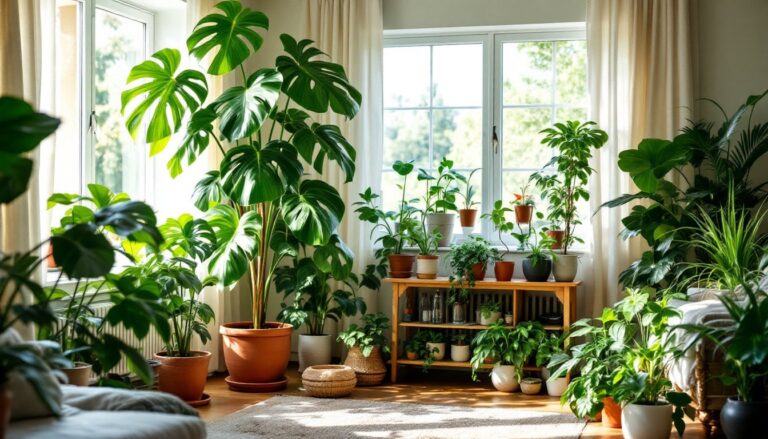
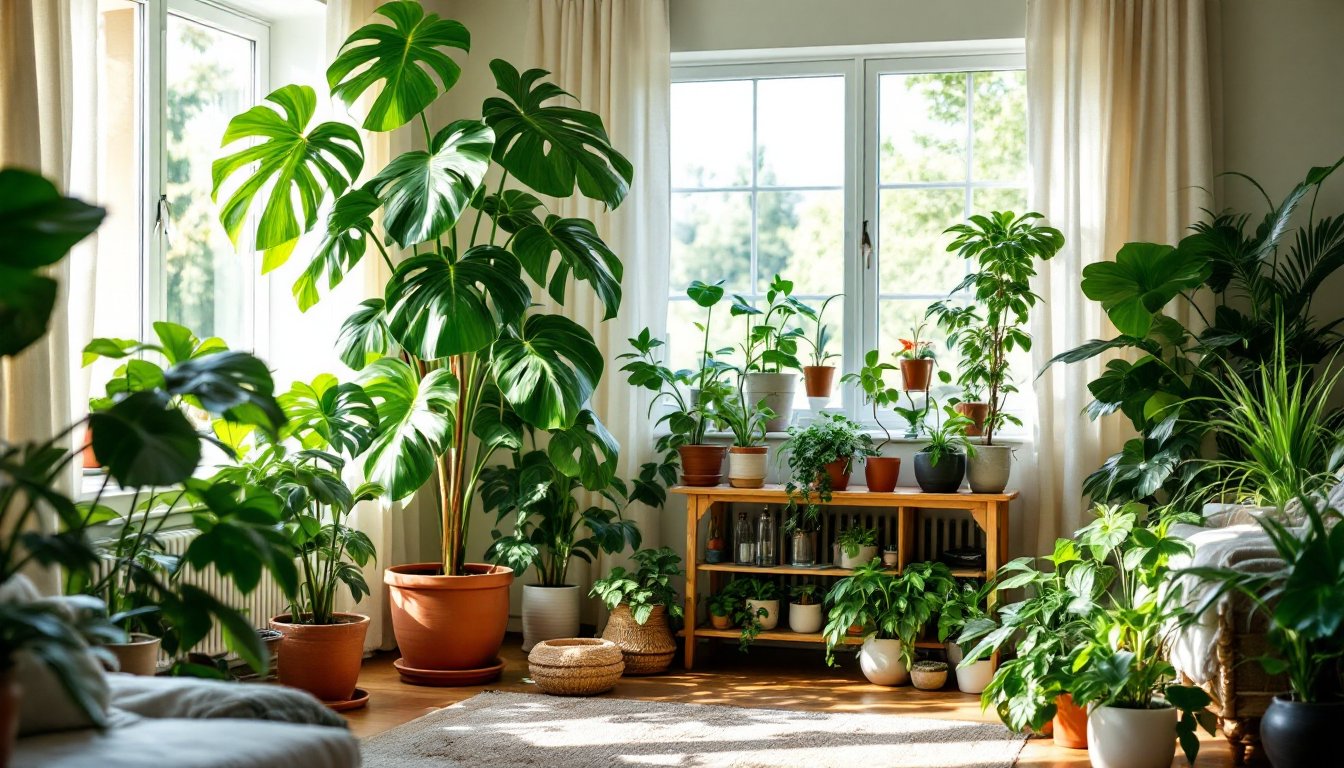
The Dutch house of plants is a design approach that emphasizes abundance, variety, and the strategic arrangement of houseplants throughout your home. Unlike minimalist plant styling or theme-based plant collections, it’s about creating visual density and botanical interest at multiple heights and in unexpected spaces. Think of it as mixing old botanical specimens with newer acquisitions, combining tall floor plants with shelf-sitters, and filling corners with trailing vines.
This trend draws heavily from Dutch gardening traditions, a culture that’s celebrated plants for centuries and treats them as essential home furnishings rather than afterthoughts. The approach isn’t rigid: there’s no “perfect” Dutch house of plants setup. Instead, it values eclecticism, growth, and the natural evolution of your collection over time. A thriving Dutch interior might include a mature monstera, a cluster of pothos trailing from a high shelf, young propagations in glass bottles, and unexpected specimens tucked between bookshelves.
Why The Dutch Approach To Indoor Plants Works
The Dutch house of plants concept works because it embraces realism and adaptability, two things most plant parents desperately need. Instead of chasing the perfect Instagram snapshot with one heroic plant, you’re building a living collection that evolves with your home, your skill level, and the changing seasons.
This approach also maximizes your chances of success. By keeping multiple plants in similar conditions, you’re essentially creating a mini-ecosystem where humidity levels benefit everyone and watering routines become more intuitive. A monstera thriving in your living room window creates a more favorable microclimate for nearby pothos and calathea plants. Beginners benefit most: if one plant struggles, others thrive, so the overall look remains lush.
There’s also a psychological element. Surrounding yourself with plants reduces stress and boosts mood, something common house plants: transform your space in ways that single specimens simply can’t match. The layered, abundant approach appeals to how humans naturally respond to botanical environments, mimicking the complexity and diversity of nature itself rather than forcing an overly curated aesthetic.
Essential Plants For Your Dutch-Inspired Interior
Start your Dutch house of plants collection with reliable workhorses that tolerate variable light and watering schedules. Monstera deliciosa (split-leaf philodendron) is a Dutch staple, fast-growing, forgiving, and visually dramatic. It needs bright, indirect light and moderate watering: let soil dry between waterings.
Pothos (devil’s ivy) is another cornerstone plant. It trails beautifully, adapts to low light, and practically thrives on neglect, making it perfect for shelves, hanging planters, or corners where other plants might struggle. Philodendron varieties pair well alongside pothos, offering similar ease with slightly different leaf shapes and growth patterns.
For height and structure, consider Dracaena or Rubber Plant (Ficus elastica). These command attention and fill vertical space without requiring fussy conditions. Both prefer bright light but tolerate moderate conditions, and they develop that mature, settled look Dutch interiors are known for.
Calathea and Marantas add textural variety with patterned, delicate leaves, though they’re pickier about humidity and consistency. Include a few red house plants: transform like a Croton or Anthrium for color pops. Finally, propagations in water glasses, rooted cuttings of pothos or philodendron, add an experimental, living-laboratory feel that’s very Dutch. These cost nothing and give you endless material for gifting or filling new corners as your collection grows.
How To Design Your Space With Dutch House Plant Principles
Creating A Layered, Botanical Look
Start by mapping your space vertically and horizontally. Identify spots that catch good light, areas with moderate indirect light, and lower corners where shade-tolerant plants can live. Draw a rough floor plan and mark potential plant locations, shelves, windowsills, plant stands, hanging hooks, and floor corners. Avoid cramming everything into one room: distribute plants throughout your home for a cohesive, collected-over-time feel.
Next, vary heights and container types. Use a mix of terracotta, ceramic, woven, and even glass pots, don’t match everything perfectly. Tall floor plants (your monstera, rubber plant, or dracaena) should anchor a corner or wall. Mid-height plants on tables or stands fill the middle ground. Small shelf plants and trailing vines at eye level and above create visual movement and break up wall space.
Group plants in clusters of odd numbers (three or five) rather than spacing them evenly. A corner with three pots of varying sizes and heights looks intentional and lush: a single plant on a shelf looks lonely. Use plant stands, books, or wooden risers to vary elevation within clusters, this creates depth and makes spaces feel botanical and dynamic.
Incorporate both mature, established plants and younger propagations. This mimics how a real collection grows and evolves, and it gives the space an educational, experimental quality. A mature monstera with a small cutting propagating nearby in water tells a story. Your space should feel like the home of someone who loves plants, not a showroom.
Lighting matters tremendously. Arrange your brightest-light plants near windows and rotate shade-tolerant plants into darker corners every few months. Don’t fight natural light patterns, work with them. If your home is mostly moderate indirect light, accept that and choose your plant list accordingly rather than forcing tropical specimens into dimly lit corners.
Care Tips For Dutch House Plants
Consistency beats perfection. Water on a schedule that matches your home’s light and humidity, not on a rigid calendar. In winter, most houseplants slow growth and need less water: in summer, they may need more frequent watering. Check soil moisture 1–2 inches below the surface, it should feel slightly damp, not waterlogged. Overwatering is the number-one killer of indoor plants, far more deadly than underwatering.
Use well-draining potting soil designed for houseplants, not garden soil. Quality soil ensures water drains through rather than sitting around roots, which causes rot. Repot plants when roots emerge from drainage holes or growth slows noticeably, typically every 12–18 months for actively growing plants.
Feed during the growing season (spring and summer) with a diluted liquid houseplant fertilizer every 2–4 weeks. Stop feeding in fall and winter when plants aren’t actively growing. Dust leaves monthly with a soft, damp cloth: clean foliage photosynthesizes more efficiently and looks visibly healthier.
Humidity is your friend. Group plants together (they create a shared microclimate), use a pebble tray under pots filled with water, or run a humidifier if your space is very dry. Misting helps temporarily but isn’t a substitute for sustained humidity.
Rotate plants quarterly if possible, especially those in lower light. This encourages even growth and prevents them from leaning toward windows. Watch for pests, spider mites and mealybugs love indoor plants, and address infestations early with neem oil or insecticidal soap. Resources like The Spruce and Gardenista offer detailed pest management guides if you need troubleshooting help.
Most importantly, don’t stress over perfection. Yellowing leaves happen. Plants get stressed in winter. New growers lose specimens, that’s part of the learning curve. The Dutch approach embraces this reality and celebrates collections as living, evolving spaces rather than static displays. Your failures teach you as much as your successes.
Conclusion
The Dutch house of plants trend offers an accessible, sustainable way to bring greenery into your home without perfectionism or crushing expectations. By choosing reliable plants, arranging them thoughtfully at varying heights, and committing to consistent care, you’ll create a lush, lived-in botanical space that genuinely improves your environment. This approach celebrates growth, experimentation, and the joy of nurturing living things, turning your home into a verdant sanctuary that reflects your personality and botanical enthusiasm.