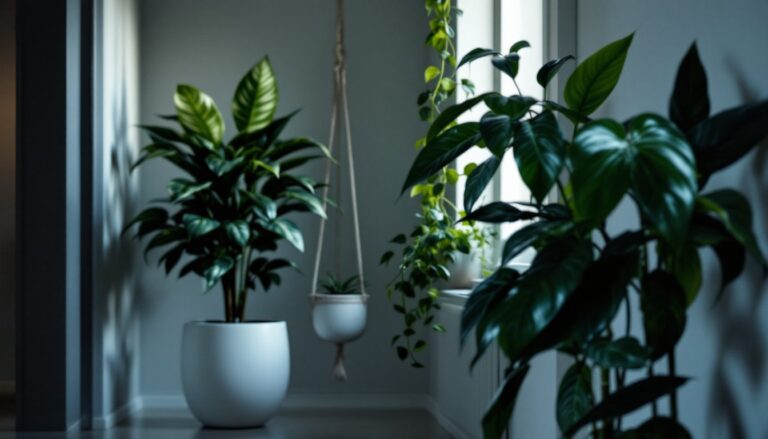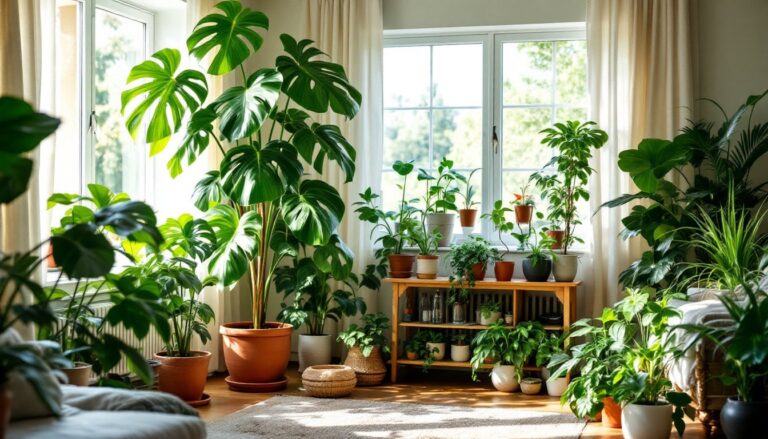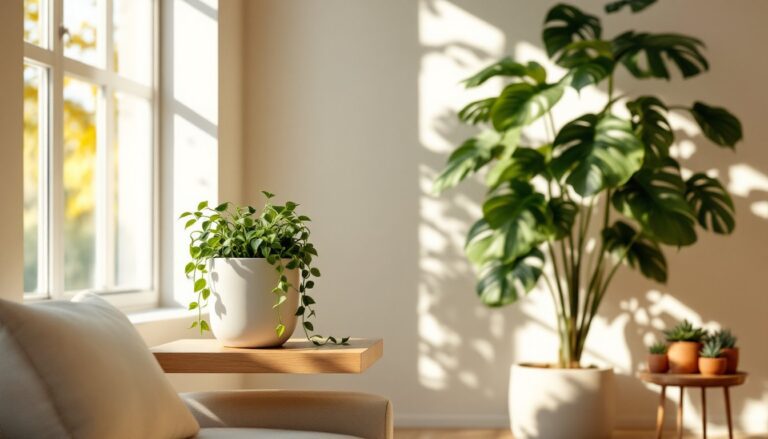
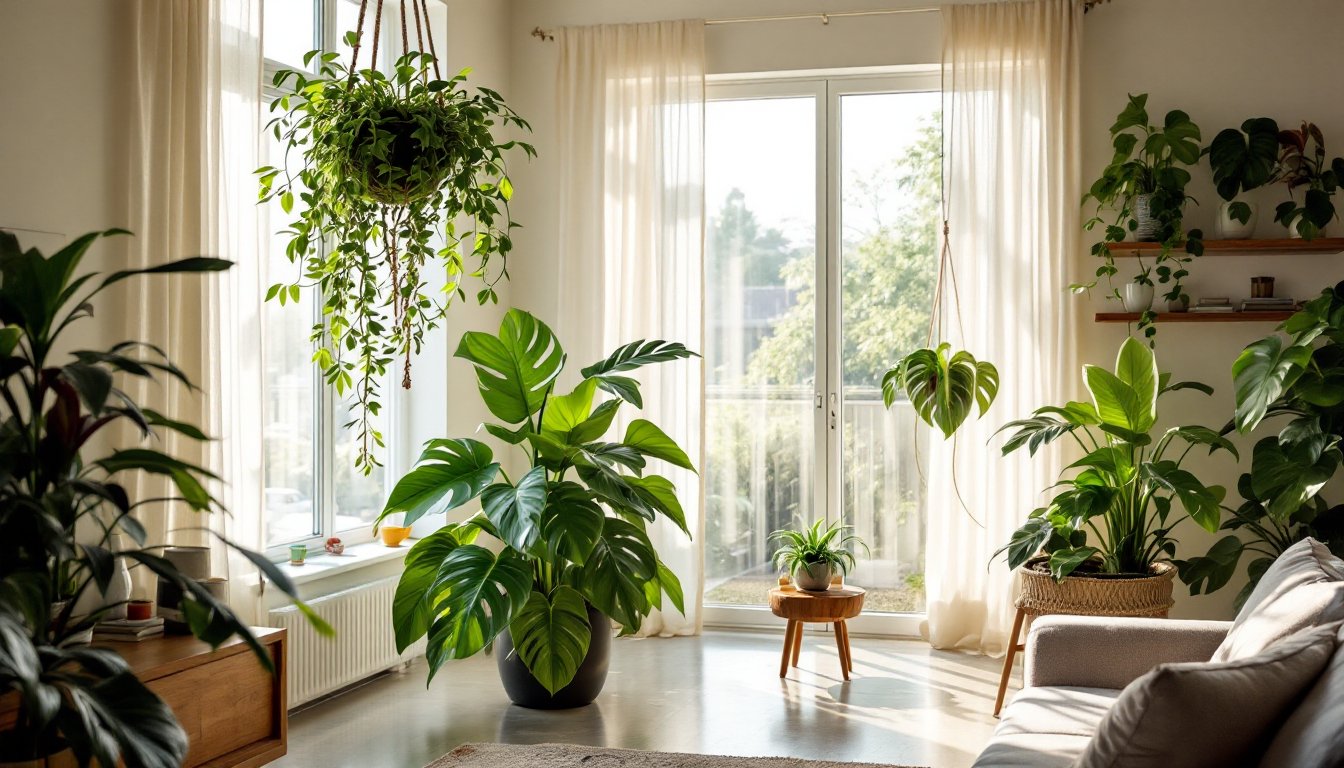
Most homeowners stick to the basics, a pothos here, a snake plant there. But if you’re ready to move beyond the ordinary and want plants that genuinely spark conversation, unusual house plants are your answer. These aren’t just botanical oddities: they’re living decor that transforms a room’s energy and tells visitors you’ve got a green thumb with style. Whether you’re drawn to dramatic foliage, unique growth patterns, or plants that do something unexpected, the selection of unusual house plants available today makes it easier than ever to build a collection that reflects your personality. Let’s explore seven uncommon varieties that deserve a spot in your home.
Table of Contents
ToggleKey Takeaways
- Unusual house plants create distinctive visual focal points and spark conversation while transforming your space into a more personal and engaging environment.
- String of Pearls, Monstera Deliciosa, Pitcher Plants, and Panda Plant are excellent unusual plants that thrive indoors with the right light, humidity, and watering practices.
- Overwatering is the biggest killer of unusual plants—check soil moisture before watering and ensure pots have drainage holes to prevent root rot.
- Most unusual house plants prefer bright, indirect light and 50%+ humidity, making grouping plants together an effective strategy for creating optimal growing conditions.
- Starting with one or two unusual plants and observing their needs in your space helps you build a resilient indoor ecosystem that reflects your personality and green thumb.
Why Unusual Plants Transform Your Space
Unusual house plants do more than fill empty corners. They create visual focal points, spark conversation, and give your home a distinctive character that generic greenery can’t match. A bold Monstera with its signature split leaves reads differently than a standard rubber plant. A cascading String of Pearls draws the eye upward and creates dimension.
When you choose plants outside the mainstream, you’re also building a more resilient indoor ecosystem. Different species have varying water, light, and humidity needs, which means you’ll learn to observe your home‘s microclimate more carefully. That deeper knowledge pays off across your entire collection.
Practically speaking, unusual plants often make excellent teaching moments if you have kids or guests. They’re living biology lessons. They encourage curiosity and hands-on care. Plus, the act of nurturing something rare, even if it’s not botanically rare, just uncommon in home settings, creates a stronger sense of ownership and pride. You’re not just maintaining a plant: you’re keeping something special alive.
String of Pearls: The Cascading Showstopper
String of Pearls (Senecio rowleyanus) looks almost unreal when you first see it, delicate stems strung with tiny, pearl-like beads that catch light and invite touch. Unlike mainstream trailing plants, this succulent commands attention without needing much else.
Growing Conditions: String of Pearls thrives in bright, indirect light and actually prefers drier soil. Water sparingly, every 2-3 weeks in growing season, less in winter. The biggest mistake new owners make is overwatering. These pearls are succulents, so they store water in those bead-like leaves. Soggy soil invites root rot, which is fatal.
Display Strategy: Hanging planters show this plant at its best. As it grows, strands cascade 12 to 18 inches, creating a lush, waterfall effect. A macramé or ceramic hanging planter placed on a shelf or window ledge lets the pearls flow freely without crowding adjacent plants.
Propagation Bonus: Snip a strand (no tools needed), lay it on moist soil, and within a few weeks, new plants root. This makes String of Pearls one of the easiest unusual plants to propagate and share. Each propagated strand becomes another showstopper.
Monstera Deliciosa: Bold Foliage Made Easy
Monstera Deliciosa, the Swiss Cheese Plant, has exploded in popularity, but it remains visually striking. Those distinctive split leaves aren’t a flaw: they’re the plant’s signature trait. Young plants show solid leaves: as they mature and climb, dramatic fenestrations (splits) appear, adding an exotic dimension.
Care Essentials: Monstera tolerates moderate light and isn’t fussy about watering. Keep soil consistently moist but not waterlogged. It genuinely prefers climbing or trailing, so give it a moss pole or trellis. With support, this plant becomes a statement piece that fills vertical space in ways flat wall decor can’t.
Why It Works Indoors: This tropical plant adapts well to typical home humidity and temperature. It’s forgiving of occasional neglect and grows steadily. Some rare specimens command extraordinary prices, but standard green Deliciosa is affordable and just as visually rewarding.
Pro Tip: Larger pots are better than repotting frequently. Monstera actually prefers being slightly root-bound, and too much space can slow growth. Wipe leaves monthly with a soft, damp cloth to remove dust and let the plant breathe, you’ll notice a difference in leaf luster.
Pitcher Plants: Unique Conversation Starters
Pitcher plants (Nepenthes species) are carnivorous and genuinely unusual. Rather than roots absorbing nutrients, these plants trap insects in elongated, tube-shaped leaves that dangle like miniature lanterns. It’s nature’s mousetrap translated into houseplant form.
Growing Pitcher Plants: They need warm, humid conditions, think tropical greenhouse. High humidity (60%–80%) is non-negotiable. Group them with other plants, place them on a humidity tray (pebbles + water beneath the pot, but don’t let roots touch water), or mist daily. Bright, indirect light keeps them vigorous.
Watering and Feeding: Use distilled water or rainwater, not tap water, minerals build up and damage roots. Feed with diluted orchid fertilizer every 2-3 weeks during growing season. Resist the urge to “feed” the pitcher traps insects yourself: the plant’s natural feeding rhythm works best.
Visual Impact: A single Pitcher Plant on a pedestal or hanging planter creates intrigue. Visitors instinctively ask, “What is that?” The dramatic, colorful pitchers, often deep red or burgundy, add sculptural beauty beyond pure greenery. They’re as much art as they are biology.
Panda Plant: Low-Maintenance, High-Impact Greenery
Panda Plant (Kalanchoe tomentosa) earns its name from fuzzy, silver-edged leaves that resemble a panda’s face, especially when you spot the brownish-red leaf tips. It’s whimsical without being silly.
Why It’s Low-Maintenance: As a succulent, Panda Plant stores water and doesn’t need frequent watering. Once every 2-3 weeks is plenty. It tolerates bright, indirect light and moderate light equally well. Unlike some unusual plants that demand perfect conditions, this one rolls with the punches. It’s ideal if you want visual interest without fussy care.
Texture and Scale: The soft, fuzzy leaves are tactile in ways smooth-leafed plants aren’t. Kids and guests naturally want to touch it, which makes it perfect for high-traffic areas where it can handle interaction. The plant grows to about 12 inches tall in typical indoor conditions, so it fits shelves, desks, or small tables without dominance.
Pet Safety Consideration: If you have cats or dogs, check house plants safe for pets before introducing it. Panda Plant is generally considered non-toxic, but it’s always wise to verify with your household’s specific pets.
Care Tips for Keeping Unusual Plants Thriving
Unusual plants aren’t inherently fragile, but they do require observation. Here’s how to set yourself up for success:
Understand Light Needs: Tropical and exotic plants often come from understory environments, dappled forest light, not direct sun. Bright, indirect light (a few feet from an east or west window) suits most unusual varieties. Direct afternoon sun can scorch delicate foliage. South-facing windows require sheer curtains to diffuse intensity.
Acclimate Slowly: When you bring a plant home, place it in a stable location for the first week or two. Avoid moving it around immediately or placing it near heating vents and cold drafts. Environmental shock stresses plants and slows adjustment.
Master Watering, Not Frequency: The biggest killer of unusual plants is overwatering. Feel soil before you water. Stick a finger 1-2 inches deep: if it’s moist, wait. Most tropical plants prefer to dry out slightly between waterings, not stay soggy. In winter, growth slows, so water less. Drainage holes in pots are non-negotiable.
Humidity and Temperature: Most unusual houseplants appreciate 50%+ humidity. Group plants together, mist (though misting alone isn’t sufficient), or use a humidifier. Keep plants away from temperature swings, avoid cold windows in winter and avoid proximity to heat vents. Aim for 65°–75°F as a comfortable baseline.
Pest Awareness: Unusual plants occasionally attract spider mites, mealybugs, or scale insects. Check leaves weekly, especially the undersides. Early detection makes treatment simple, neem oil or insecticidal soap applied every 7-10 days clears most issues without harming the plant.
Repotting: Unusual plants don’t always need frequent repotting. Only repot when roots circle the pot’s interior or growth visibly slows. Spring is ideal. Use well-draining potting mix suited to the plant type (succulent mix for Panda Plant, orchid bark for Pitcher Plants, general-purpose for Monstera).
Conclusion
Unusual house plants elevate a home’s visual appeal and give it personality that standard greenery never will. Whether you choose a cascading String of Pearls, a sculptural Monstera, or a quirky Panda Plant, each brings its own charm and teaches you something new about plant care. Start with one or two, observe what works in your space, and expand from there. Your home, and your guests, will notice the difference.