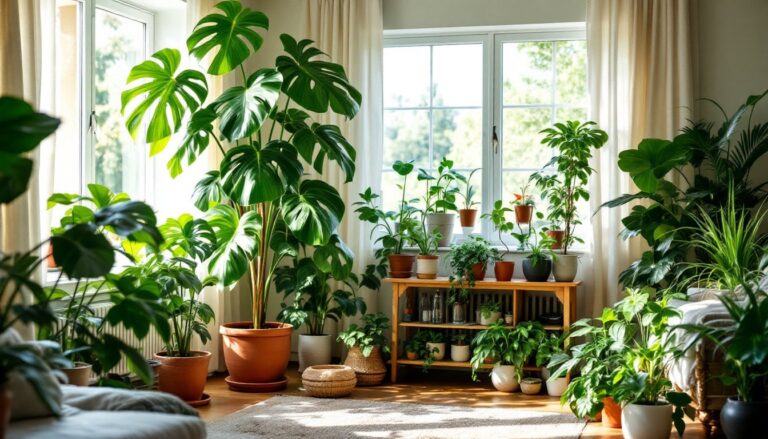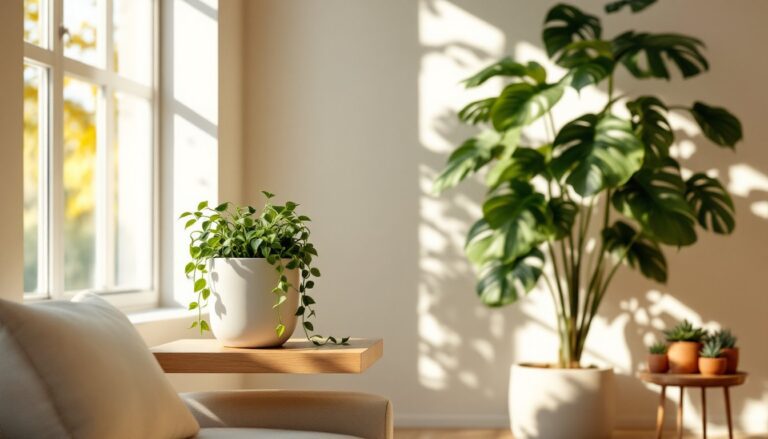
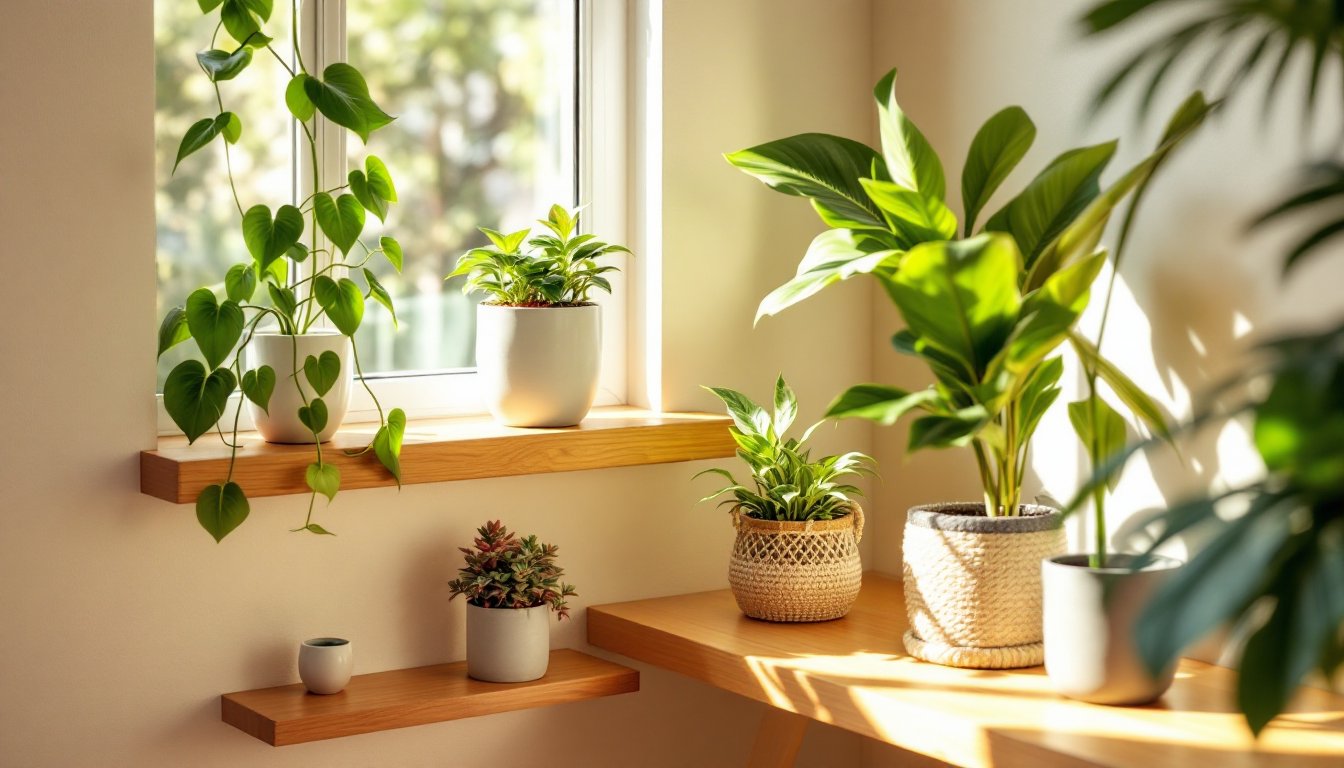
Small indoor house plants are one of the simplest ways to transform a living space without renovation permits, contractor calls, or major expense. Unlike larger floor plants that demand attention and square footage, small indoor plants fit on shelves, windowsills, and desks, places that usually sit empty or cluttered. They improve air quality, soften hard edges, and give a room personality. Whether you’re working with a dimly lit corner office or a sun-drenched kitchen window, there’s a compact plant that’ll thrive there. This guide walks through the best small house plants for different conditions, how to keep them alive, and why they’re worth the minimal effort.
Table of Contents
ToggleKey Takeaways
- Small indoor house plants transform living spaces with minimal cost and effort, improving air quality while adding visual interest to shelves, desks, and windowsills.
- Low-light tolerant varieties like snake plants and pothos are nearly indestructible, requiring watering only every 2–4 weeks and thriving in bathrooms, corners, and office spaces.
- Succulents and cacti are ideal for bright, sunny windows when planted in well-draining soil and watered only after the soil dries completely.
- Proper drainage, appropriate light matching, and the finger-test moisture method are the three critical factors that prevent small indoor plants from failing.
- Spider plants, parlor palms, and peace lilies contribute to air quality by filtering toxins, though 15–20 plants are needed for noticeable results in an average home.
- Beginners should start with one hardy plant, rotate it every 2–3 weeks for even growth, and avoid overwatering—the leading cause of houseplant death.
Why Small Indoor Plants Transform Your Living Space
Small indoor plants do more than fill empty shelves. They’re practical additions that improve indoor air quality by absorbing toxins like formaldehyde and benzene, the same chemicals used in particle board, varnishes, and cleaning products. Studies from organizations like NASA have documented that certain plants filter pollutants, though you’d need quite a few to notice dramatic air-cleaning results in an average room.
More immediately, plants add visual interest. A modest succulent on a desk or a pothos trailing from a shelf creates a focal point and breaks up monotonous surfaces. They soften the institutional feel of many modern homes and give the impression that someone actually lives there and cares about their surroundings.
Cost-wise, small plants are cheap to start and maintain. A 4-inch potted plant runs $8–$20, and if you’re not dealing with finicky tropical specimens, you’ll spend almost nothing on care. Water, occasional feeding during growing season, and sunlight, that’s the full list. Unlike larger remodeling projects, a plant experiment costs almost nothing to abandon if it doesn’t work out.
For renters, small plants are ideal: zero commitment, portable, and they won’t violate any lease terms. You can take them with you, and you’re not painting walls or drilling into studs. If you’re testing whether you like gardening before committing to an outdoor garden, small indoor plants are the safe, reversible first step.
Top Small House Plants for Low-Light Areas
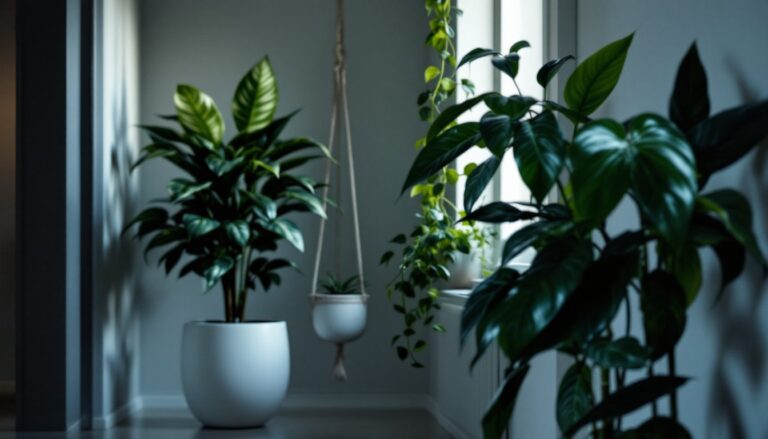
Not every room gets direct sun. Bathrooms, hallways, cubicles, and corners away from windows create challenges for sun-loving plants. The good news: several small varieties not only tolerate low light but actually prefer it.
Snake Plants and Pothos for Neglected Corners
Snake plants (Sansevieria) are practically immortal. They tolerate weeks of neglect, inconsistent watering, and near-dark corners. Their upright, architectural leaves add visual height without taking floor space. Pothos (Epipremnum aureum) is equally forgiving and works as a trailing plant from a shelf or hanging basket. Both thrive on irregular watering, actually, overwatering kills them faster than under-watering.
Placement matters less than consistency. A snake plant on a bathroom shelf with zero windows survives fine. A pothos in an office corner under fluorescent lights will grow (though slower than in bright light). The catch: they grow slower in low light, so expect a smaller plant and less dramatic vining on the pothos.
Common care mistake: these don’t need feeding or constant attention. Water every 3–4 weeks in winter, 2–3 weeks in summer. If the soil is still moist, skip that watering. Both tolerate average room temperature, though snake plants appreciate drier air (bathrooms with humidity don’t bother them, but they genuinely prefer drier conditions). Repotting happens every 18–24 months if you want them larger.
Why they work: they’re genuinely hard to kill, don’t demand bright windows, and look intentional even in a small 4-inch pot. Check easy house plants for other low-maintenance options that fit the same niche.
Compact Plants That Thrive in Bright Windows
Bright, sunny windows are premium real estate in most homes. If you have a south-facing or west-facing sill that gets 4+ hours of direct sun, you’ve got the setup for plants that actually want to bask.
Succulents and Cacti for Sunny Spots
Succulents (like echeveria, jade plants, and aloe) and cacti are the hands-off champions of bright-light growing. Their thick leaves store water, so they survive drought. They genuinely prefer infrequent watering and well-draining soil, standard potting mix plus 25–30% perlite or coarse sand keeps roots from rotting in humid conditions.
Small varieties stay compact: jade plants max out around 12 inches in a pot, echeveria rosettes stay palm-sized, and dwarf cacti rarely exceed 6 inches. These plants prefer being pot-bound: don’t repot them into huge containers. A 4-inch pot can house a succulent for years.
Watering is simple: soak the soil completely until water drains, then let it dry out entirely before watering again. In winter, cut watering in half or stop almost entirely, many succulents go dormant and rot if kept wet in cold months. No feeding required unless you’re chasing faster growth.
Fertilizer note: if you feed at all, use a diluted cactus formula once in spring and once in early summer. Standard balanced fertilizer overfeeds these plants and encourages weak growth. Resources like The Spruce have comprehensive guides on succulent varieties and their specific light needs.
Placement and light: south-facing sills are ideal, but succulents tolerate west-facing windows. East-facing is okay if the light is bright. Avoid north-facing windows or glass filtered through sheer curtains, they’ll stretch and pale looking for light. If your succulent starts to tilt toward the window, it’s signaling it wants more light: rotate it weekly to prevent lopsided growth.
Small Plants That Improve Indoor Air Quality
If you’re concerned about indoor air quality (dust, off-gassing from new furniture, or stale circulation), certain small plants contribute measurably. Spider plants filter formaldehyde and xylene. Parlor palms absorb ammonia. Peace lilies remove trichloroethylene, ammonia, and benzene. They’re not air purifiers, but they help.
Spider plants are bulletproof: they produce runners with baby plantlets, grow quickly, and tolerate neglect. A single mature plant clears toxins from roughly 200 square feet over months of exposure. Parlor palms grow slowly but are compact and elegant on a shelf. Peace lilies wilt visibly when thirsty (a useful signal), then bounce back within hours of watering.
The honest caveat: no houseplant dramatically purifies air like a HEPA filter or open window. But if you’re adding small plants for multiple reasons, decor, visual interest, and marginal air improvement, these varieties deliver on all three. Pairing them with basic ventilation (opening windows, using exhaust fans) is more effective than relying on plants alone.
Large collections work better: 15–20 plants in a 2,000-square-foot home show noticeable filtering. A single plant on a desk is nice but not a substitute for ventilation. Resources from Country Living and other home guides discuss integrating plants into healthy indoor environments.
Essential Care Tips for Keeping Small Indoor Plants Healthy
Most small indoor plants fail for the same reasons: overwatering, poor drainage, wrong light, or neglect after the first two weeks.
Drainage is non-negotiable. Every pot needs drainage holes. If you love a pot without drainage, use it as a cache pot (decorative outer pot) and nest a draining pot inside. Standing water kills roots in days. Soil should be appropriate to the plant: cacti and succulents need cactus mix or amended potting soil: tropical plants and pothos prefer standard potting mix that holds moisture longer.
Watering protocol: Stick your finger 1 inch into soil. If it feels moist, don’t water. If it’s dry, water thoroughly until it drains from the bottom. This beats random watering on a schedule. Tropical plants (like pothos and peace lilies) prefer consistent moisture but not soggy. Succulents and cacti want dry periods between waterings. Spring and summer mean more frequent watering: fall and winter mean less.
Light assessment: Before buying a plant, observe your spot for 3–5 days. North-facing windows get indirect light all day. East-facing gets mild morning sun. South-facing is bright all day. West-facing gets intense afternoon heat. Match the plant to the light, not the reverse. If you’re unsure, start with pothos or snake plant, they adapt to almost anything.
Temperature and humidity: Most small indoor plants tolerate standard room conditions (65–75°F). Avoid cold drafts from doors and vents in winter. Humidity varies: tropical plants appreciate 40–60% humidity (bathrooms, kitchens, or a pebble tray under the pot helps): succulents prefer drier air. Misting foliage rarely raises humidity enough to matter, but it removes dust and helps the plant breathe.
Feeding: During active growth (spring and early summer), feed monthly with half-strength all-purpose fertilizer. Tropical plants appreciate a balanced formula (10-10-10). Succulents need less: dilute cactus fertilizer once in spring, once in early summer, then stop. In fall and winter, stop feeding entirely. The plant isn’t growing fast: extra nutrients build up in soil and can damage roots.
Repotting: Most small plants need repotting every 18–24 months. Signs include roots circling the pot bottom, water running straight through without absorbing, or the plant drying out faster than before. Move up one pot size (if it’s in a 4-inch, go to a 6-inch). Use fresh soil. Spring is ideal timing. Don’t repot a plant in dormancy or immediately after buying it.
Common pests: Indoor plants are less vulnerable than outdoor ones, but watch for spider mites (fine webbing), mealybugs (cottony clusters), and scale (brown bumps). Isolate the plant from others. Spray with insecticidal soap or neem oil every 7–10 days until clear. Check house plants safe for pets if you have cats or dogs that might chew leaves.
Rotating for even growth: Every 2–3 weeks, rotate the pot a quarter turn. This prevents the plant from leaning toward the light source and distributes light exposure evenly. Small plants on desks or shelves are easy to rotate: larger plants in corners matter less. Rotations take 5 seconds and are often forgotten, but they improve appearance over months.
Getting Started with Small Indoor Plants
Small indoor plants are one of those rare home improvements that cost almost nothing, require minimal skill, and deliver immediate visual and practical benefits. Start with one hardy plant, a pothos, snake plant, or small succulent, and pay attention to light, drainage, and watering habits for a few weeks. Once you get the rhythm, adding more plants is straightforward. Resources on popular house plants and indoor house plants offer curated selections and care guides for deeper dives. A single plant won’t revolutionize your home, but it’s the easiest green project you’ll ever commit to.