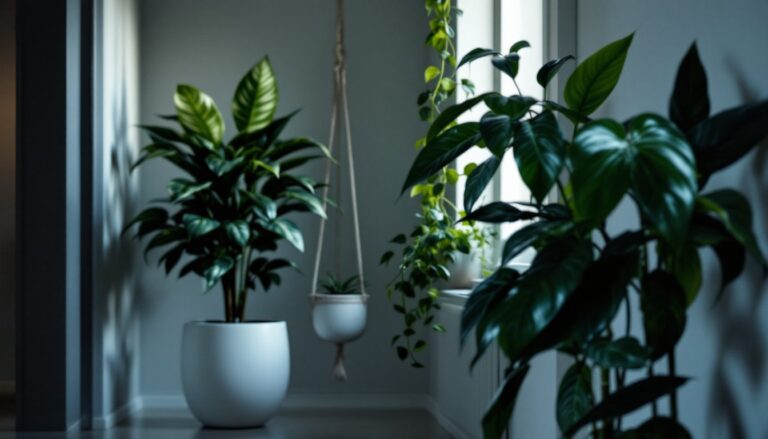
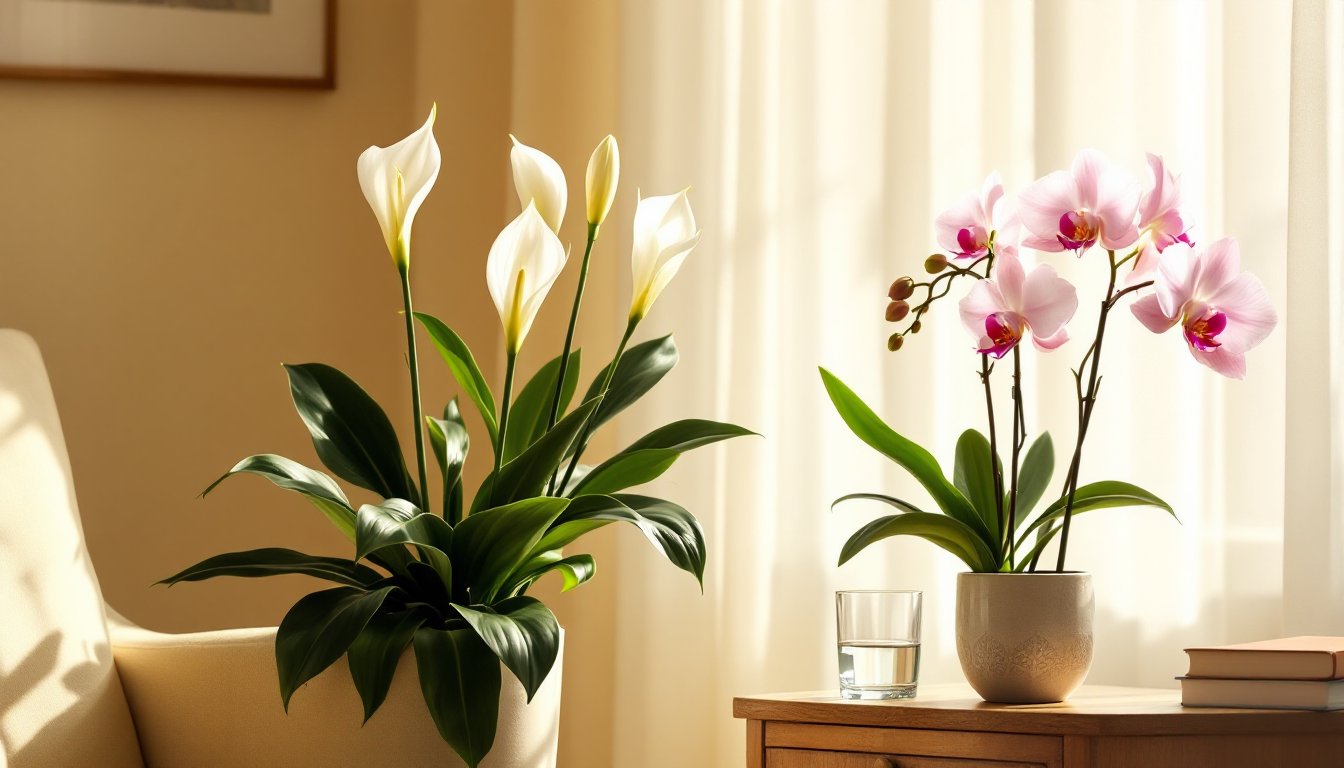
When someone is grieving, a potted plant can say what words sometimes can’t. Unlike cut flowers that fade within days, an indoor sympathy plant serves as a living tribute, a quiet reminder that you’re thinking of them. Sympathy plants work especially well because they’re practical gifts that offer both comfort and beauty during difficult times. Whether it’s a peace lily symbolizing hope or an orchid representing strength, indoor sympathy plants bridge the gap between a thoughtful gesture and a long-lasting companion for the home. In 2026, when everyone seems overwhelmed with digital condolences, a living plant stands out as something genuinely meaningful and personal.
Table of Contents
ToggleKey Takeaways
- Indoor sympathy plants like orchids and peace lilies last for years, creating a living tribute that fades far slower than cut flowers and provides ongoing comfort during grief.
- Peace lilies symbolize tranquility and hope while actively filtering indoor air toxins, making them both emotionally meaningful and practically beneficial for recipients.
- Orchids are resilient long-lasting sympathy gifts that bloom for weeks or months and can rebloom annually for 15+ years with minimal care and bright, indirect light.
- Water sympathy plants when the top inch of soil feels dry—overwatering is the leading cause of houseplant death, so checking soil before watering is more important than following a fixed schedule.
- Proper care for indoor sympathy plants involves bright indirect light, humidity around 50–60%, and balanced fertilizer during growing seasons, but the plant will signal its needs through drooping or new growth.
- Giving an indoor sympathy plant shows genuine thoughtfulness by providing a long-lasting companion that evolves with the recipient’s grieving journey, unlike generic condolence gifts that fade quickly.
Why Indoor Sympathy Plants Make Thoughtful Gifts
Sympathy plants offer something traditional floral arrangements don’t: longevity. A bouquet of roses dies in two weeks: a well-cared-for indoor plant can thrive for years. This staying power matters psychologically, every time the recipient waters and tends to the plant, they’re engaged in an active gesture of self-care and remembrance, not just looking at wilting petals in a vase.
There’s also symbolic weight. Unlike generic gift baskets, indoor sympathy plants carry quiet meaning. A peace lily’s white flowers represent sympathy and rebirth. An orchid embodies grace under pressure. These aren’t accidental associations, they’re rooted in horticultural tradition and cultural understanding.
Practically speaking, sympathy plants fit any living space. They don’t require the effort of planting a memorial garden outdoors, nor do they demand the commitment of adopting a pet. They’re accessible, scalable, and honest about what they are: a living thing that, like grief itself, needs attention and care but rewards you for showing up. Many people appreciate receiving a popular house plants option because they know it will survive neglect during the hardest days.
Top Indoor Plants for Sympathy Arrangements
Orchids: Elegant and Long-Lasting
Orchids are the aristocrats of sympathy gifting. They’re visually stunning, available in whites, purples, pinks, and reds, and they signal that you’ve invested thought into the gesture. An orchid says, “I know this matters, and I’m giving you something that will last.”
The magic is in their resilience. Most sympathy orchids are Phalaenopsis hybrids (moth orchids), which bloom for weeks or even months with proper care. They thrive in bright, indirect light and prefer humidity over constant moisture, which actually works in the recipient’s favor because overwatering is the #1 killer of houseplants. A single orchid plant can live 15+ years and rebloom annually if given the right conditions.
When selecting an orchid, look for one with several unopened buds alongside open flowers, this extends the bloom period significantly. The plant arrives in a decorative pot and typically requires minimal setup. According to resources like The Spruce, proper orchid care involves watering once a week with room-temperature water and providing indirect sunlight near an east or west-facing window. Unlike finicky specialty plants, orchids tolerate beginner mistakes better than their reputation suggests.
Peace Lilies: Symbolism and Easy Care
If orchids are the luxury option, peace lilies are the thoughtful, practical choice. Their white spathes (the petal-like structures) and dark green foliage are unmistakably associated with sympathy, you’ll see them at funerals and memorial services for good reason. The name itself carries weight: peace lily, a living symbol of tranquility and hope.
What makes peace lilies exceptional for sympathy gifting is how forgiving they are. A Spathiphyllum can survive in low light (though it prefers bright, indirect), tolerates inconsistent watering, and literally tells you when it’s thirsty by drooping slightly, then perks up within hours of watering. This feedback loop is valuable for someone in grief who might not remember a detailed care schedule. The plant essentially communicates its needs.
Peace lilies also filter indoor air, removing toxins like formaldehyde and benzene. That’s not just marketing: studies cited on Gardenista confirm their air-purifying ability. For someone dealing with grief-related stress, a plant that actively improves their indoor environment adds another layer of gift-giving thoughtfulness. They bloom regularly (small white flowers appear year-round with decent light) and can last decades indoors.
How to Care for Your Sympathy Plant at Home
Receiving a sympathy plant is one thing: keeping it alive is another. Here’s what you actually need to do:
Light and Placement
Most sympathy plants, orchids and peace lilies included, prefer bright, indirect light. A spot near an east or west-facing window works perfectly. South-facing windows can be too intense in summer: north-facing windows usually lack sufficient light. Avoid placing the plant directly in front of a heat vent, cold drafts, or in a dark corner. If your home is naturally dim, consider a small LED grow light positioned 6–12 inches above the plant for 12 hours daily. They’re inexpensive (often under $30) and solve low-light issues without commitment.
Watering: The Critical Balance
Overwatering kills more houseplants than underwatering. The rule is simple: water when the top inch of soil feels dry to the touch. For orchids, that’s roughly once weekly: for peace lilies, every 7–10 days depending on humidity. Use room-temperature water, and let tap water sit overnight so chlorine dissipates (optional but gentler on the plant). If your pot lacks drainage holes, ask for a repot into a container with drainage, moisture trapping is a death sentence.
During winter or in humid climates, plants need less frequent watering. Check the soil before watering, not on a fixed schedule.
Humidity and Temperature
Orchids and peace lilies prefer humidity around 50–60%. If you’re in a dry climate or running heat indoors, mist the leaves every few days, or place the pot on a pebble tray filled with water (the pot sits on pebbles above the water: evaporation raises humidity without sitting the roots in standing water). Keep the plant away from cold drafts and temperatures below 60°F. Room temperature (65–75°F) is ideal.
Feeding
Use a balanced, water-soluble houseplant fertilizer diluted to half strength, applied monthly during growing season (spring and summer). In fall and winter, cut back to every other month or skip entirely, plants naturally rest. Over-fertilizing does more harm than under-fertilizing.
Troubleshooting Common Issues
Yellowing leaves often mean overwatering: adjust your schedule and check for root rot. Brown leaf tips indicate low humidity or fluoride in water. Brown or soft stems mean fungal or bacterial issues, remove affected portions and improve air circulation. Pest issues (spider mites, mealybugs) are rare indoors but manageable with insecticidal soap if they appear. For detailed guidance on plant health, resources like Country Living offer step-by-step troubleshooting for common houseplant problems.
Most people worry too much. The plant will let you know what it needs. If it’s happy, you’ll see new growth and blooms. If it’s struggling, adjust one variable at a time, light first, then water, and wait two weeks before making another change.
Conclusion
A sympathy plant is grief in green form, an honest, living acknowledgment that some seasons are hard. Unlike temporary gestures, indoor sympathy plants like orchids and peace lilies become part of the recipient’s home, requiring care, offering beauty, and serving as a quiet companion through difficult months and years. You can explore easy house plants to understand what might work best in any home. When you give a living plant as condolence, you’re not just offering a decoration, you’re giving a daily reminder that someone cared enough to think through what would actually matter.