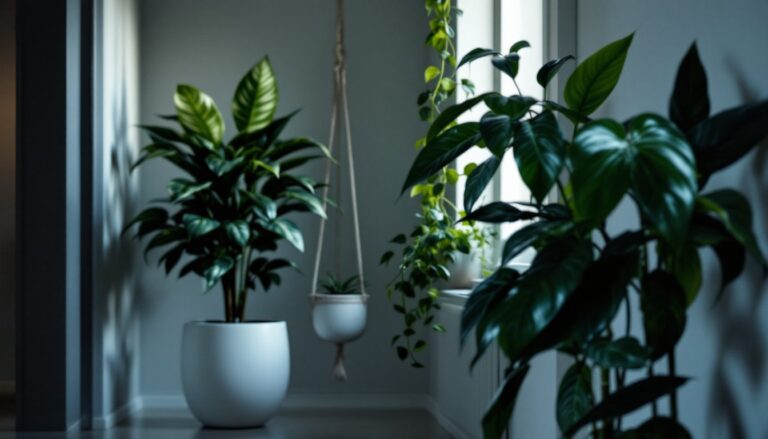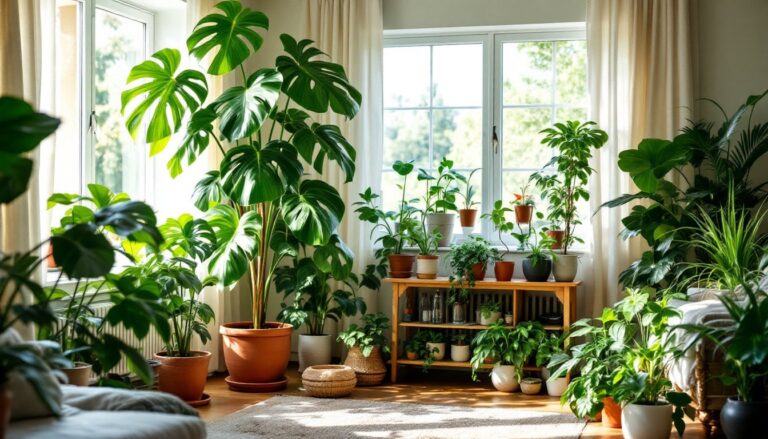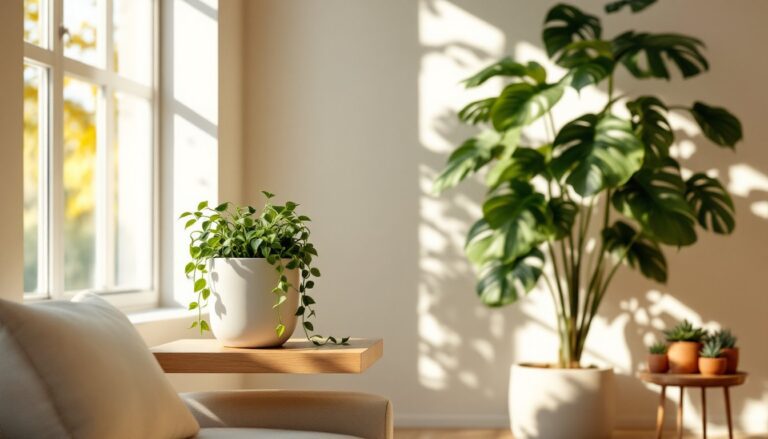
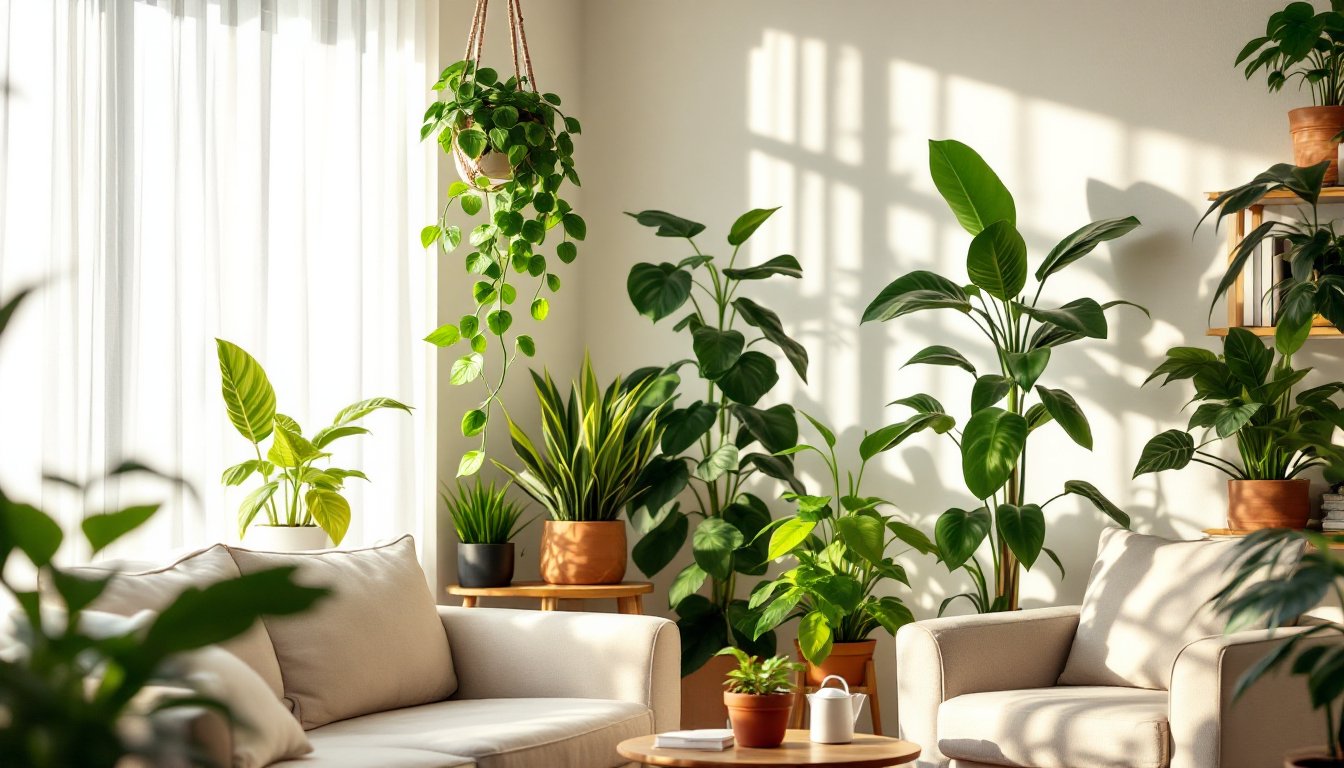
Green house plants aren’t just decoration, they’re functional additions that clean the air, boost mood, and soften hard edges in any room. Whether you’re outfitting a sun-soaked living room or a dim bedroom corner, there’s a green plant that fits. If you’ve ever killed a succulent or watched a ficus drop all its leaves, this guide sidesteps those common missteps. We’ll walk through hardy, beginner-friendly varieties, practical care routines, and honest talk about what takes root versus what doesn’t. By the end, you’ll know exactly which green house plants suit your space and lifestyle.
Table of Contents
ToggleKey Takeaways
- Green house plants remove up to 87% of air toxins in 24 hours while improving mood, humidity, and acoustics—making them functional and affordable home upgrades.
- Pothos, philodendrons, snake plants, and ZZ plants are beginner-friendly varieties that tolerate low light, irregular watering, and neglect, with pothos and snake plants being nearly impossible to kill.
- The most common mistake is overwatering; stick your finger 1–2 inches into soil and water only when dry, repeating this check weekly to prevent root rot.
- Bright, indirect light suits most green plants—position them near north-facing windows or 6+ feet from west-facing windows to avoid leaf burn and encourage healthy growth.
- Pothos and philodendrons propagate easily in water within 1–2 weeks, letting you create multiple plants for free and fill larger spaces affordably over time.
- Start with one hardy green plant, keep it alive for three months, then expand your collection—success with the first plant builds confidence for maintaining a thriving indoor garden.
Why Green House Plants Transform Your Home
Green plants pull carbon dioxide from the air and release oxygen, it’s basic photosynthesis, but the real-world benefit adds up when you have several plants in a single room. A NASA-backed study found that indoor plants can remove up to 87% of air toxins in 24 hours, though real-world results depend on plant density and room size.
Beyond air quality, green foliage creates visual warmth and breaks up monotonous walls or furniture arrangements. A single pothos trailing from a high shelf or a snake plant standing sentinel in a corner changes the entire character of a space. Plants also regulate humidity and create softer acoustics, useful in offices or playrooms where hard surfaces bounce sound around.
Here’s the practical angle: green plants cost far less than repainting, re-wallpapering, or buying new furniture. A $15 propagation can fill a 12-by-15-foot bedroom in two years. And unlike decor trends that shift every season, living green doesn’t go out of style. Popular House Plants: Transform remain evergreen fixtures across design aesthetics, minimalist, farmhouse, eclectic, or traditional.
Low-Maintenance Green Plants Perfect for Beginners
The key to not killing a plant is choosing one that forgives neglect. Beginners succeed with varieties that tolerate irregular watering, inconsistent light, and temperature swings typical of most homes. Skip the fiddle leaf fig or bird of paradise for now, they’re divas. Start here instead.
Pothos and Philodendrons: The Easiest Plant Picks
Pothos (also sold as devil’s ivy) and philodendrons are so similar that nurseries sometimes mislabel them. Both vine outward, tolerate low light, and bounce back from underwatering. The main difference: pothos has waxy, heart-shaped leaves with lighter variegation: philodendrons have softer, larger leaves and stay bushier without pruning.
Pothos thrives in bright, indirect light but survives in a north-facing corner far from windows. Water every 10–14 days: let the top inch of soil dry out between waterings. Overwatering kills more pothos than any pest. Place it on a high shelf or hanging planter and let it cascade, it’s one of the few plants that look intentional when trailing everywhere.
Philodendrons need slightly more attention but remain beginner-safe. They prefer consistent moisture (not soggy) and medium indirect light. Both varieties appreciate a monthly diluted fertilizer during spring and summer but won’t collapse if you skip it.
Common House Plants: Transform include these two because they’re nearly impossible to kill and propagate easily. Snip a 4–6 inch stem section, place it in water, and roots appear in 1–2 weeks. Plant the rooted cutting in soil and you’ve got a second plant for free.
Snake Plants and ZZ Plants: Drought-Tolerant Powerhouses
Snake plants (Sansevieria) and ZZ plants (Zamioculcas zamiifolia) are the champions for people who travel, forget to water, or have low-light spaces. Both store water in their leaves and roots, making them nearly succulent-like in their drought tolerance.
Snake plants grow upright with striped, sword-like foliage. They tolerate almost any light condition, though they grow faster in bright, indirect light, and prefer drying out completely between waterings. Water once every 4–6 weeks indoors: overwatering invites root rot. They’re perfect for bedside tables, dim hallways, or offices with artificial light. ZZ plants feature glossy, compound leaflets and grow in a graceful, tropical silhouette. They’re equally forgiving: bright, indirect light is ideal, but they’ll persist in fluorescent-lit cubicles or bathrooms with no windows.
Both are slow growers, don’t expect explosive growth, but that also means you’ll repot less often. Easy House Plants: Transform Your Home Decor with Low-Maintenance Greenery highlights these two because they shrug off a week of missed waterings and reward minimal effort. They also improve air quality without fussiness, which is why they’ve become office and rental-apartment staples.
Essential Care Tips for Thriving Green Houseplants
Once you’ve picked your plants, consistency beats intensity. Most people overwater, especially indoors where evaporation is slower than in gardens. A simple test: stick your finger 1–2 inches into the soil. If it feels dry, water: if moist, wait. Repeat once a week.
Light matters more than new plant parents think. “Bright, indirect light” means a spot where sunlight reaches without direct, harsh rays burning the leaves. A north-facing window works: a west-facing window works if you’re 6 feet away from the pane. Direct afternoon sun on thin-leaved pothos will scorch it pale and thin. East-facing and south-facing windows work best because morning sun is gentler.
Use room-temperature water, ideally filtered or left sitting overnight so chlorine evaporates. Tap water is fine for most green plants, but sensitive varieties appreciate the wait. Humidity matters for tropical plants but isn’t critical for pothos, snake plants, or ZZ plants. If your home is very dry, group plants together (they release moisture that nearby plants absorb) or mist occasionally, though misting alone doesn’t raise humidity meaningfully.
Repot in spring when roots start circling the pot base. Step up one pot size (e.g., 6-inch pot to 8-inch pot), use fresh potting mix (not garden soil), and water thoroughly after repotting. Don’t repot in winter or late fall when growth slows.
Pests are rare indoors but can happen. Spider mites and mealybugs prefer warm, dry air. Isolate an infected plant, spray with neem oil or insecticidal soap (follow label directions), and repeat in 7–10 days. Neem oil smells terrible and can burn soft leaves, so test on one leaf first.
Indoor House Plants: Transform respond well to a feeding schedule: diluted liquid fertilizer every 4 weeks during the growing season (spring and summer). In fall and winter, plants slow growth and need less food. Over-fertilizing causes salt buildup in soil, which burns roots.
For more detailed guidance on plant care routines, Gardenista’s houseplant growing and care guide walks through replicating natural growing conditions indoors. The Spruce also publishes species-specific care sheets that dig into light, water, and humidity needs for dozens of varieties. Better Homes & Gardens covers seasonal plant care and decor styling tips that integrate plants into different room aesthetics.
Conclusion
Green house plants succeed when you match the plant to your light, water honestly about your watering habits, and resist the urge to overthink. Start with pothos, a snake plant, or a philodendron, pick one, put it in a spot with decent light, and water when the soil feels dry. Once you’ve kept one alive for three months, add another. Success builds confidence, and confidence leads to a home that actually feels alive. Best House Plants: Transform Your Home with Easy Care & Stunning Greenery offers a wider catalog of options as your skills grow. The point isn’t perfection: it’s bringing a bit of nature indoors and enjoying how it changes the way your space feels.