
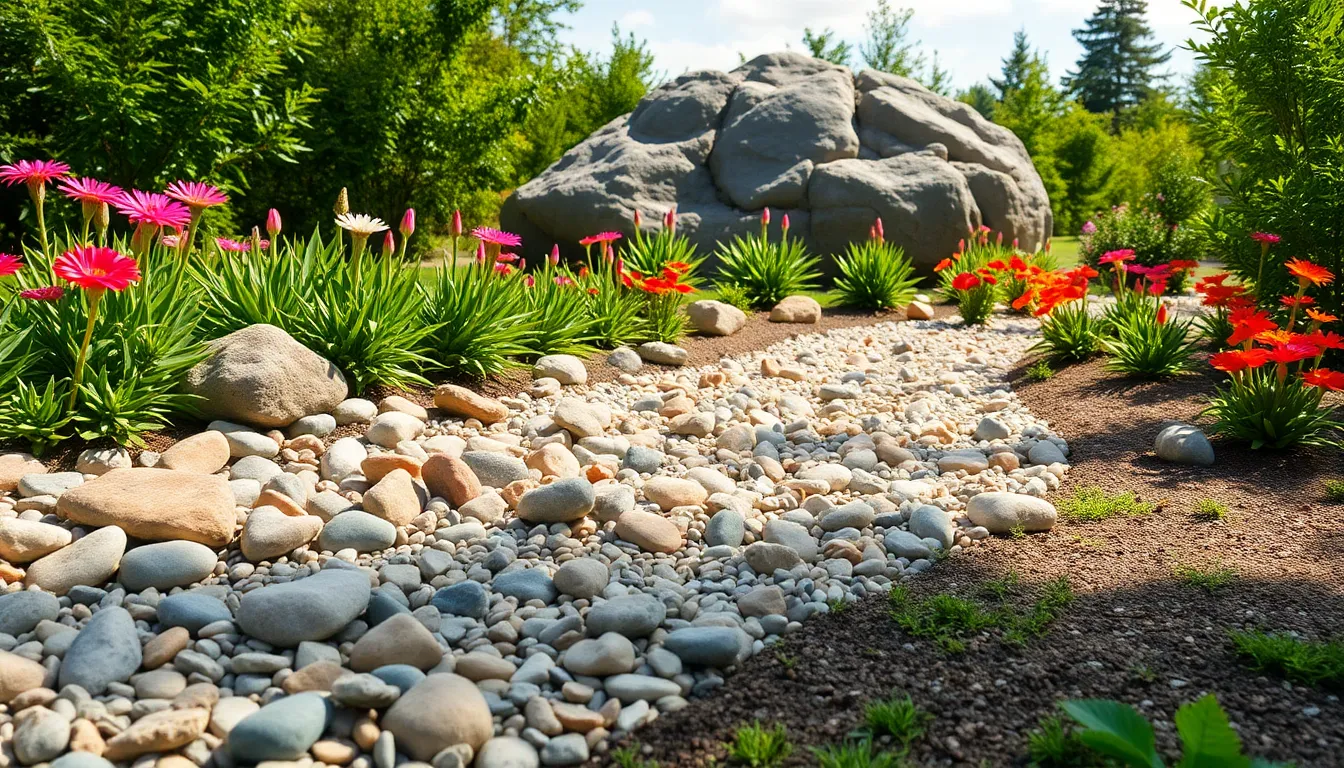
Gardening rocks might sound like a bizarre topic, but they’re the unsung heroes of the gardening world. Picture this: a vibrant garden filled with lush plants, and then—bam!—a striking rock formation that adds depth and character. These natural wonders not only elevate the aesthetics but also serve practical purposes, like drainage and soil erosion control.
What Are Gardening Rocks?
Gardening rocks refer to various types of stones and pebbles used in landscaping and gardening. These materials enhance the aesthetic appeal of outdoor spaces. Rocks come in different sizes, shapes, and colors, allowing for creative combinations in garden designs.
Functions of gardening rocks extend beyond decoration. They improve drainage by allowing water to flow smoothly through the soil. Users can place larger rocks strategically to prevent soil erosion on slopes. Additionally, smaller stones are effective in creating borders or paths.
Different types of gardening rocks include river rocks, boulders, crushed stone, and decorative gravel. River rocks, known for their smooth texture, create a natural look while providing drainage benefits. Boulders add height and dimension to designs, serving as focal points in larger garden spaces. Crushed stone offers a versatile, economical option for pathways or driveways.
Consideration for maintenance exists when using gardening rocks. Rocks are low-maintenance materials that resist weeds, unlike organic mulch. They require occasional cleaning but do not degrade like organic materials.
Ultimately, gardening rocks serve a dual purpose in landscaping. They boost visual appeal and provide practical solutions for various gardening challenges. By incorporating different types of rocks, gardeners can create stunning outdoor environments that are both functional and beautiful.
Types of Gardening Rocks

Gardening rocks come in various types, each serving distinct aesthetic and practical purposes. Understanding the differences helps in selecting the right rocks for specific landscaping needs.
Decorative Rocks
Decorative rocks enhance the visual appeal of gardens. Options such as river rocks come in various colors and natural shapes, giving gardens a polished look. Pebbles create pathways, adding texture and depth. Larger stones can serve as focal points, drawing attention to garden features. Mulch-like decorative gravel retains moisture while also suppressing weeds. These rocks not only beautify but can also blend seamlessly with plants and flowers, enriching the overall garden design.
Functional Rocks
Functional rocks provide essential benefits in gardening. Boulders effectively control soil erosion on slopes, stabilizing the landscape. Crushed stone aids drainage and prevents water pooling, which is crucial for healthy plant growth. Smaller rocks create borders that delineate flower beds or pathways, guiding foot traffic. Certain types of gravel improve soil aeration, promoting root health. Overall, functional rocks contribute significantly to the maintenance and sustainability of garden ecosystems.
Benefits of Using Gardening Rocks
Gardening rocks provide numerous advantages, enhancing both the garden’s design and soil health. Their varied sizes and shapes contribute to the overall effectiveness of garden management.
Aesthetic Appeal
Visual interest flourishes through the use of gardening rocks. River rocks, pebbles, and decorative gravel introduce diverse colors and textures, creating captivating pathways and focal points. Larger boulders can serve as prominent landscape features, breaking the monotony of greenery. Arranging stones in artistic patterns boosts the garden’s charm and encourages visitors to explore. Unique rock formations work harmoniously with plants, enhancing their visual impact without overwhelming the landscape’s natural beauty.
Soil Health Improvement
Soil health benefits significantly from the strategic placement of gardening rocks. Crushed stone and gravel improve drainage, preventing waterlogged soil that can harm plant roots. The addition of rocks facilitates better air circulation, crucial for root development. Larger stones can stabilize soil layers, reducing erosion during heavy rains. Decorative gravel acts as a natural mulch, retaining moisture while suppressing weed growth. Overall, gardening rocks contribute to a thriving ecosystem, supporting healthier plants and a resilient garden environment.
How to Incorporate Gardening Rocks in Your Garden
Gardening rocks offer versatile options for enhancing garden design. Utilizing different types of rocks creatively adds both beauty and functionality.
Designing Rock Features
Creating rock features transforms a garden into a unique landscape. Positioning boulders as focal points draws attention and provides scale. Pathways made from river rocks invite exploration while adding texture. Integrating rock borders around flower beds defines space and can prevent soil erosion. Adding smaller stones in gaps between larger rocks creates visual intrigue. Line pathways with plants to soften the hard surfaces and provide a natural flow.
Choosing the Right Rocks
Selecting the right rocks is essential for achieving desired outcomes. River rocks, with their smooth textures, enhance pathways and water features. Crushed stone serves as an effective drainage solution while adding a rustic look. Consider boulders for dramatic landscaping and stabilizing slopes. Decorative gravel blends seamlessly with plantings, offering both beauty and moisture retention. Assess the colors, shapes, and sizes to ensure a harmonious mix within the garden. Matching rock selections to the broader landscape theme reinforces overall design coherence.
Gardening rocks are invaluable assets in any landscape. They not only enhance the visual appeal but also provide essential benefits for soil health and garden functionality. By carefully selecting and placing various types of rocks, gardeners can create stunning focal points and practical solutions for drainage and erosion control.
Incorporating these natural elements into garden design fosters a vibrant ecosystem that supports plant health and resilience. With their low-maintenance nature, gardening rocks offer a lasting investment that beautifies outdoor spaces while addressing crucial gardening challenges. Embracing the versatility of gardening rocks can transform any garden into a thriving sanctuary.